
Starting your food photography journey can feel overwhelming. Trust me, I've been there – making countless mistakes with my first camera, wondering why my photos didn't look like the stunning images I admired online.
The good news? Every photographer goes through this learning curve. Today, I'm sharing the seven most common mistakes I see beginners make, plus how to avoid them. Consider this your friendly guide to better food photography.
1. Shooting Only in JPEG
When I bought my first camera, I had no idea what the RAW format was. JPEG seemed perfectly fine – after all, the photos opened easily on my computer and looked decent enough.
But here's what I wish someone had told me earlier: RAW files are your best friend in food photography.
What's the difference?
JPEG files are already processed by your camera. They're ready to share but limited in editing potential. RAW files contain all the unprocessed data from your camera's sensor – think of them as digital negatives with incredible editing flexibility.
Yes, RAW files look flat and unimpressive straight out of the camera. Don't panic! This is completely normal. The magic happens during editing.
Why RAW matters for food photography:
- More colour information – capture subtle tones in that perfectly golden bread crust
- Better exposure recovery – save overexposed highlights on shiny surfaces
- Professional editing control – adjust colours, contrast, and mood exactly how you envision
- Non-destructive editing – make changes without damaging the original file
The trade-offs:
- Larger file sizes (invest in good storage)
- Requires editing software like Lightroom or Capture One
- Takes longer to process
Bottom line: If you're serious about food photography, shoot RAW. Your future self will thank you.
2. Ignoring Composition Rules
Great food photography isn't just about having delicious food – it's about how you arrange everything in your frame. Poor composition is the fastest way to make even the most gorgeous dish look ordinary.
Start with the basics:
- Rule of Thirds - Place your main dish along the intersecting lines, not dead centre. This creates visual interest and feels more natural to the eye.
- Golden Triangle - Perfect for plates and circular foods. The diagonal lines add dynamic energy to your shots.
- Rule of Odds - Three cookies look more appealing than two or four. Odd numbers feel more balanced and interesting.
- Negative Space - Give your food room to breathe. Empty space around your subject makes it stand out and creates a clean, modern look.
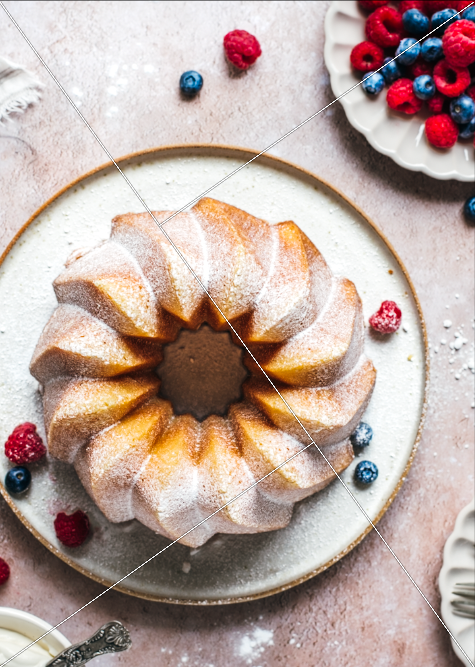
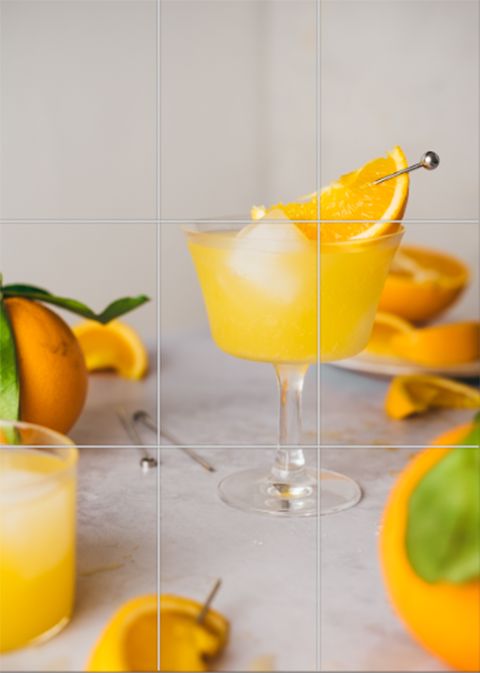
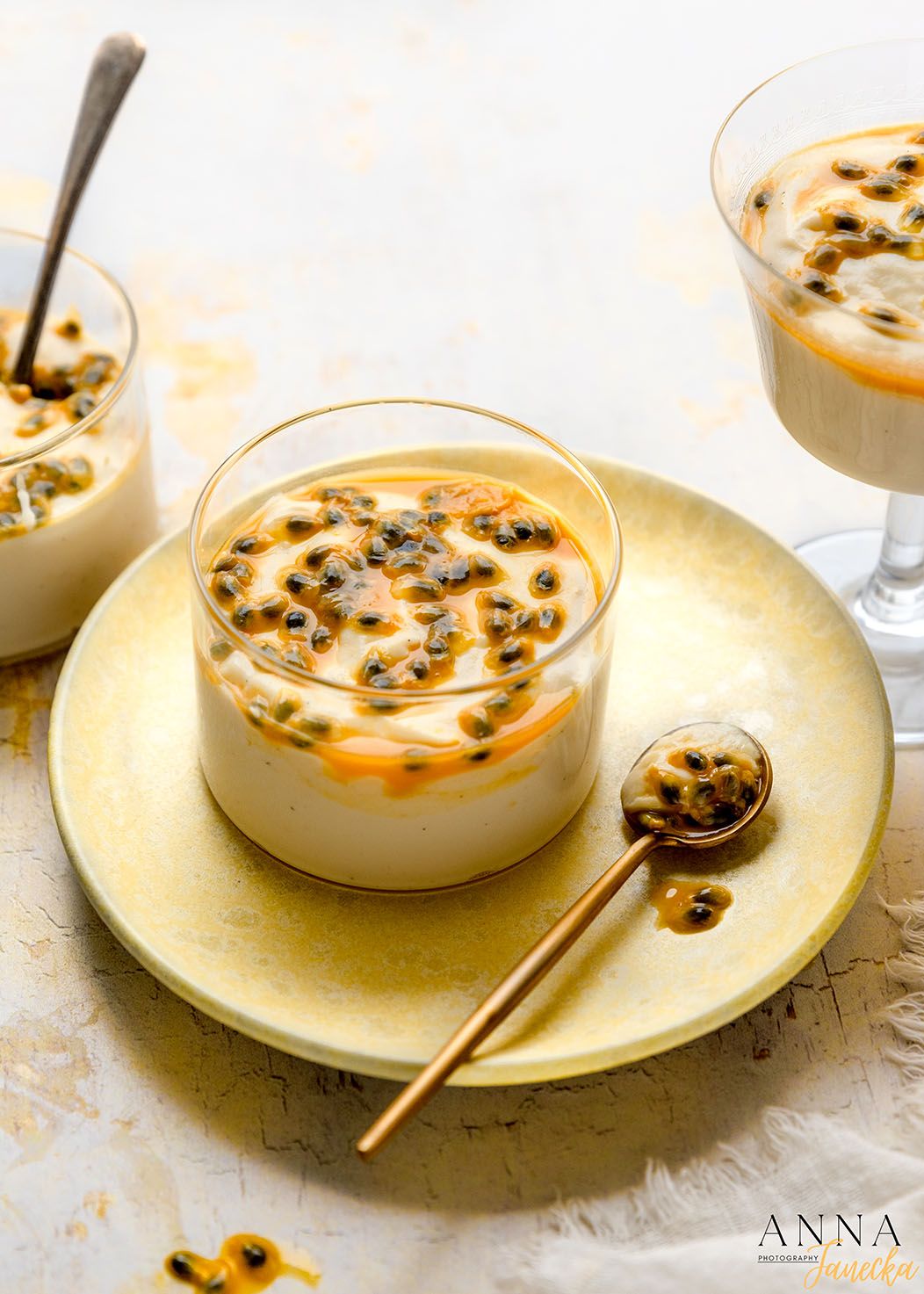

Level up with advanced compositions:
- L-Shape: Arrange props and food in an L pattern for structured elegance
- C-Shape: Great for storytelling – leads the eye around the frame
- Leading Lines: Use utensils, napkins, or table edges to guide attention to your hero dish
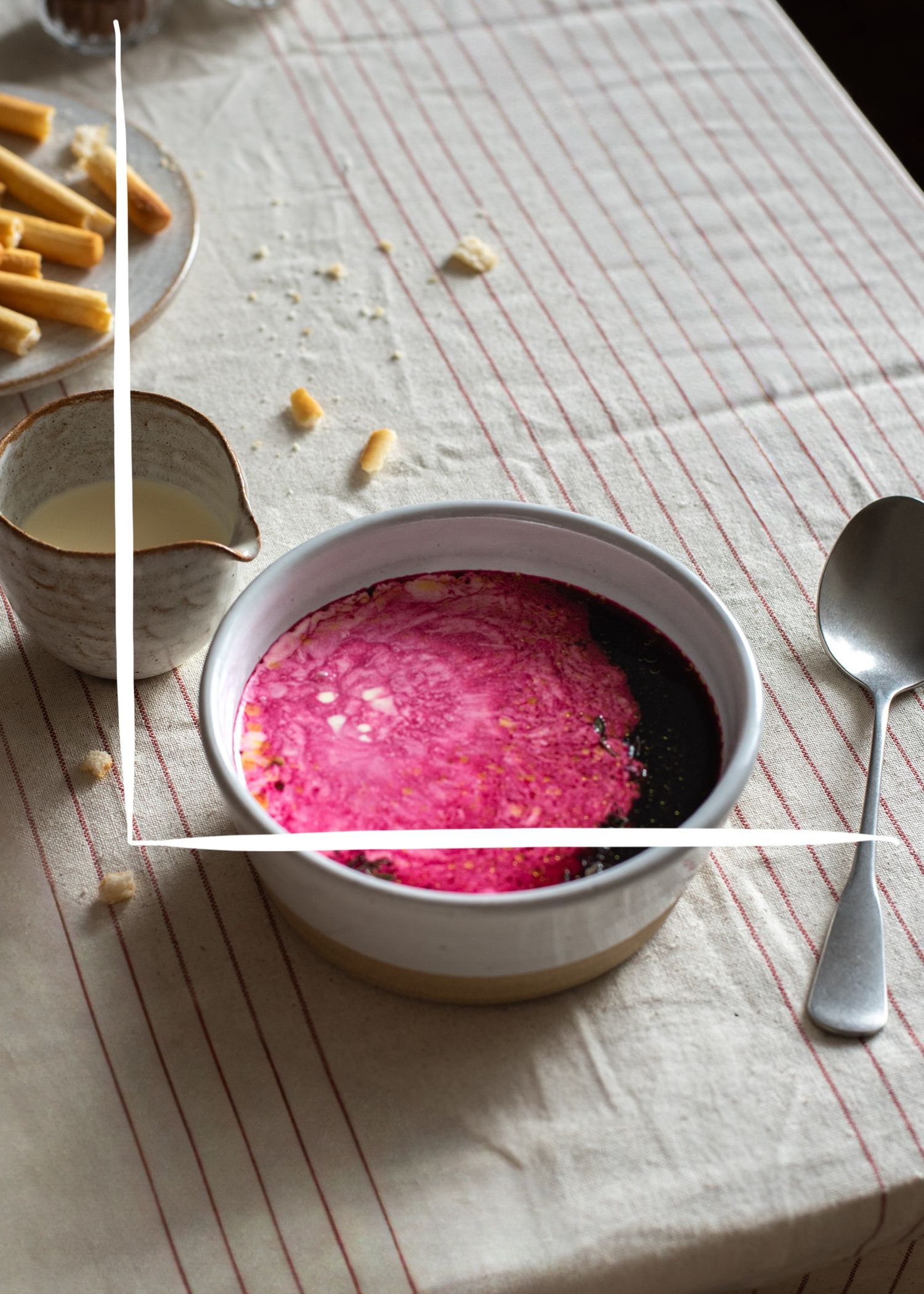
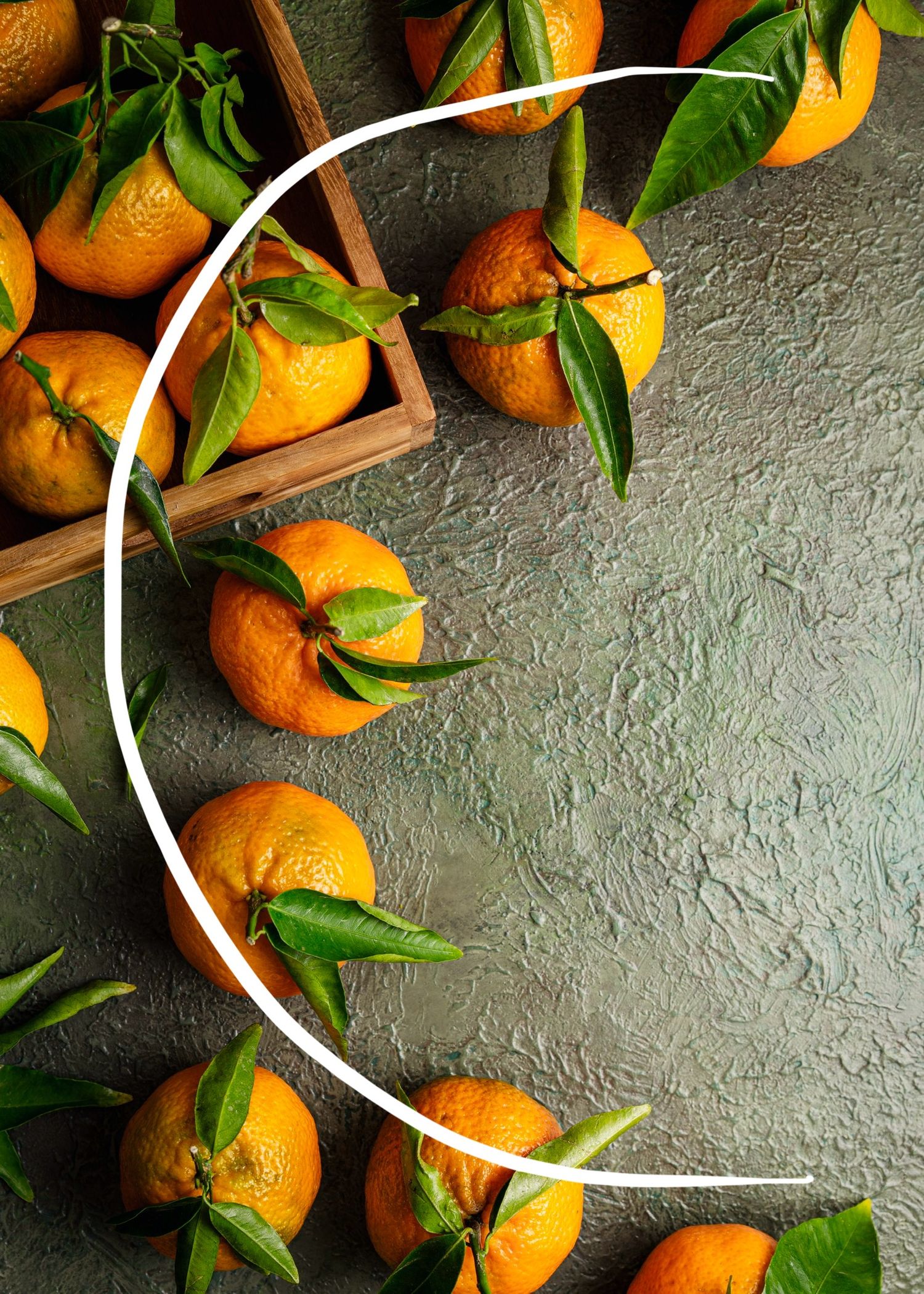
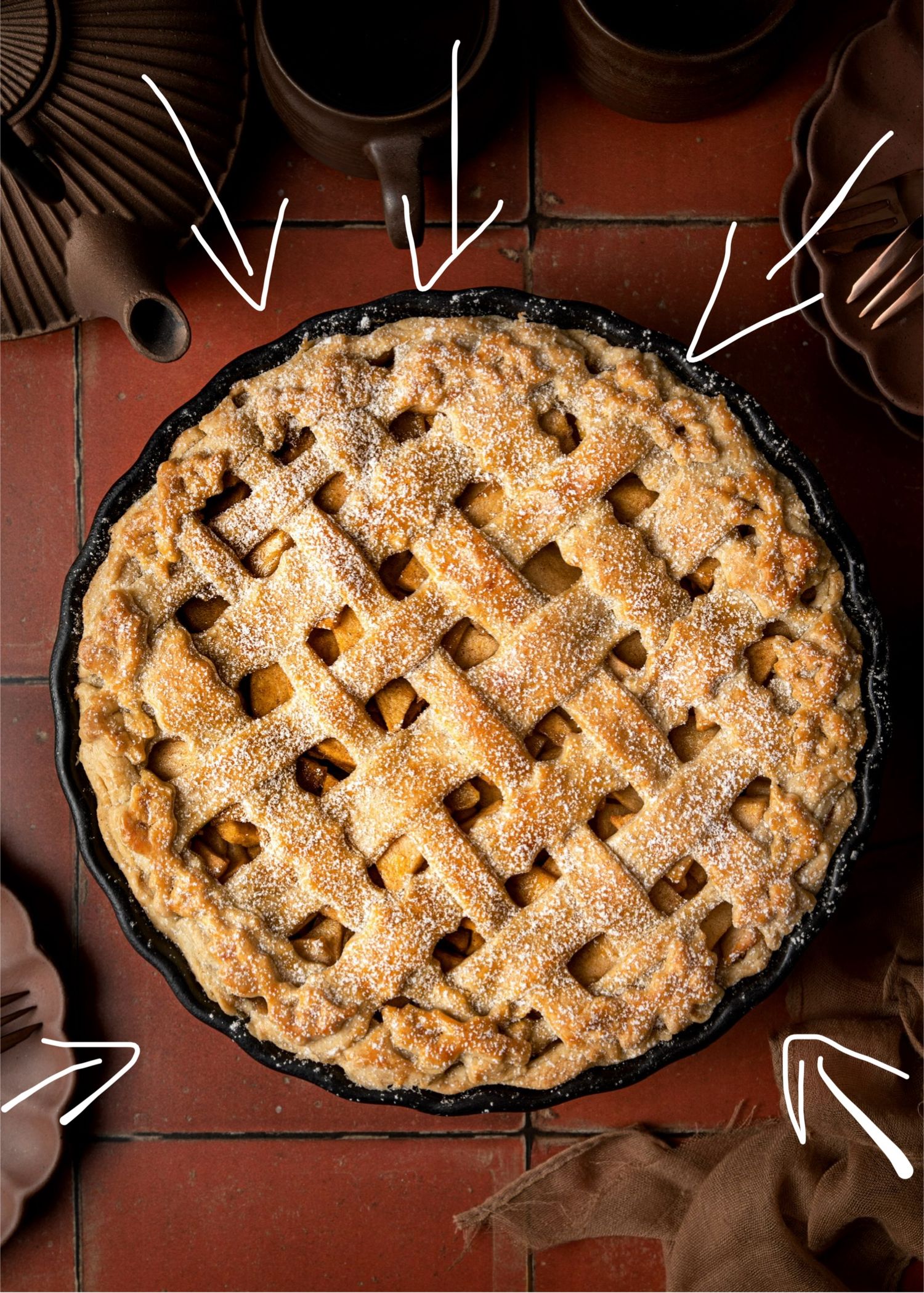
Pro tip: Most editing software includes composition grid overlays. Use them while you're learning!
3. Relying on Auto Mode
I get it – auto mode feels safe. Your camera makes all the decisions, and you just focus on the food. But here's the thing: your camera doesn't know your creative vision.
Why manual mode matters:
Creative Control - You decide the depth of field, the mood, and the exposure. Want that dreamy shallow focus? You're in control.
Consistent Results - Auto mode can vary between shots, especially with changing light. Manual mode keeps your images cohesive.
Understanding Your Craft - Learning ISO, aperture, and shutter speed makes you a better photographer, not just someone who takes pictures.
Start small:
If the full manual feels intimidating, try aperture priority mode (A or Av). You control the depth of field while the camera handles shutter speed.
Don't worry about perfection – every professional started exactly where you are now.
4. Getting White Balance Wrong
Nothing ruins a beautiful food photo like weird colour casts. That gorgeous pasta shouldn't look blue under tungsten lights, and your fresh salad shouldn't appear orange under daylight bulbs.
Understanding white balance:
Different light sources have different colour temperatures. Your brain automatically adjusts, but cameras need help interpreting what "white" should look like in each situation.
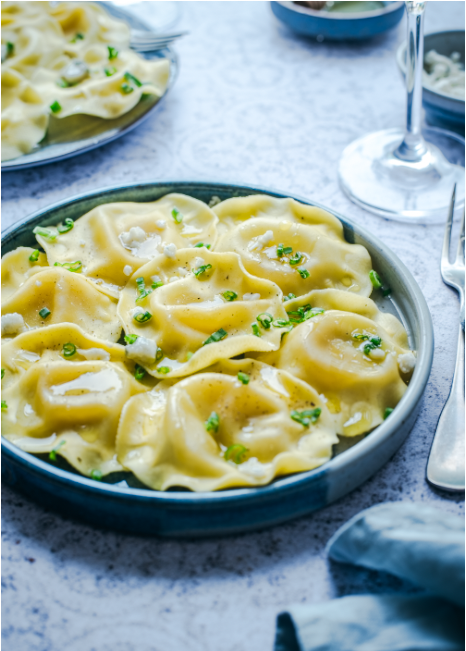
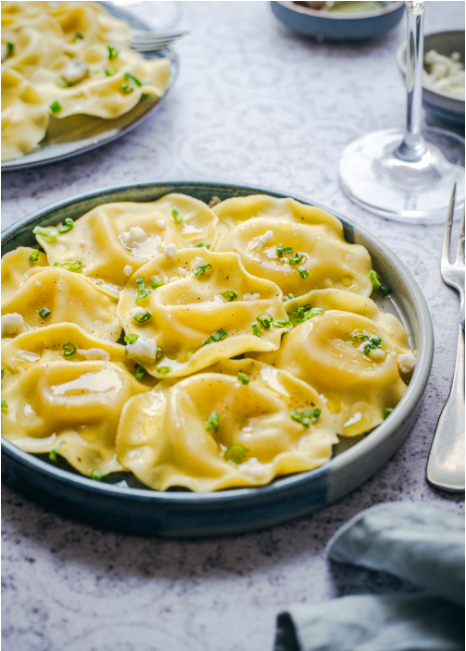
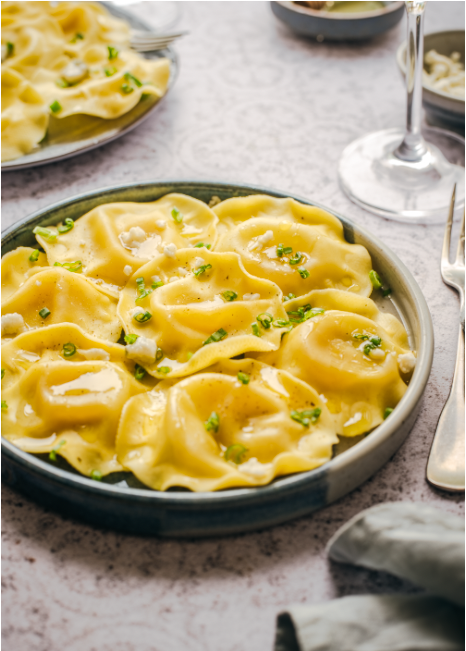
The above images present 3 different white balance settings. 1st image is too cold, 2nd is correct and the 3rd is too warm.
Common scenarios:
- Daylight: Natural, neutral colours
- Tungsten bulbs: Warm, orange cast
- Fluorescent lights: Cool, green cast
- Mixed lighting: The trickiest situation
Quick fixes:
- Set white balance presets for your lighting situation
- Shoot RAW (sensing a theme?) so you can adjust in post
- Use a grey card for perfect custom white balance
Remember: Slightly warm photos often feel more appetising than perfectly neutral ones. Sometimes "wrong" white balance works in your favour!
5. Dealing with Blurry Images
Nothing's more frustrating than nailing the perfect styling only to discover your images are soft and blurry. Usually, this comes down to camera shake or incorrect shutter speed.
The golden rule:
Your shutter speed should be at least 1/focal length. Using a 50mm lens? Keep your shutter speed at 1/50th second or faster for handheld shots.

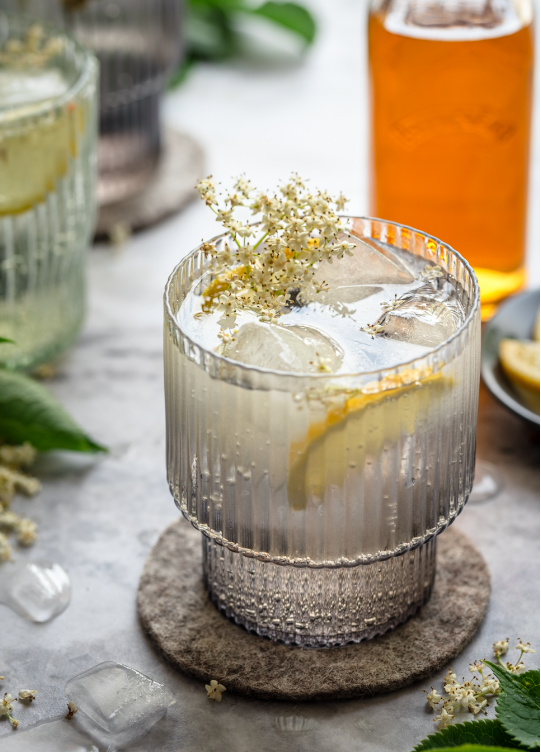
Better solutions:
- Use a tripod – This is non-negotiable for serious food photography. It keeps your camera steady and lets you fine-tune your composition.
- Increase ISO – Modern cameras handle higher ISOs beautifully. A little grain is better than blur.
- Open your aperture – Wider apertures (lower f-numbers) let in more light, allowing faster shutter speeds.
Bonus tip:
Use your camera's timer or a remote release. Even the act of pressing the shutter button can cause slight movement.
6. Missing the Focus Point
Sharp focus is crucial in food photography, especially when working with a shallow depth of field. But it's not just about having something in focus – it's about having the right thing in focus.
Common focus mistakes:
- Focusing on the plate rim instead of the food
- Missing the hero element in complex compositions
- Not checking focus after recomposing
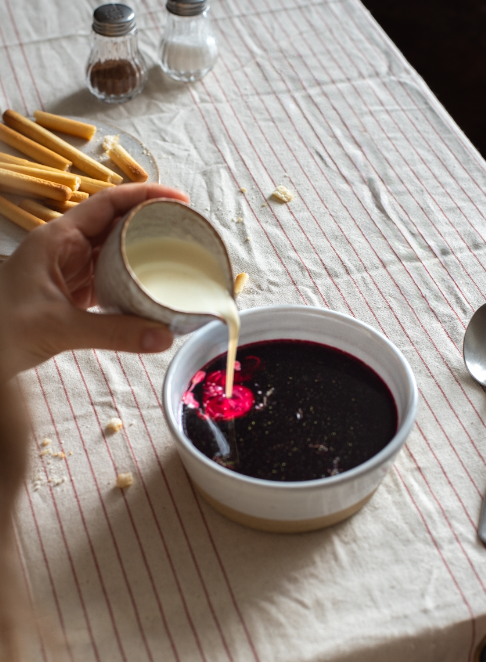
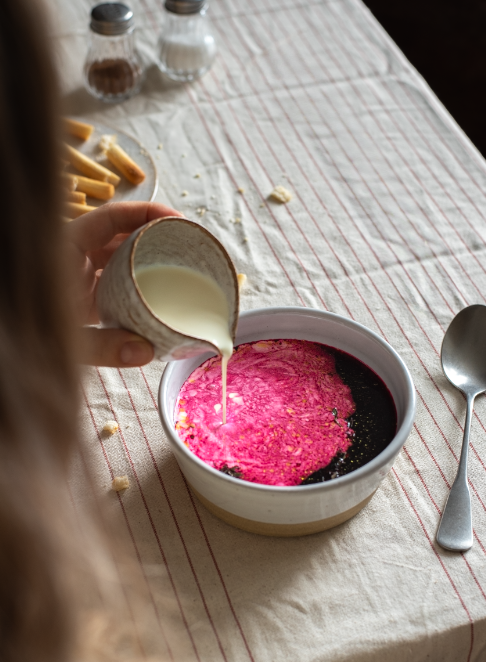
In the left photo, you can see that the focus is set somewhere around the cream pour, but in the right, you can see the perfectly sharp pour.
Focus like a pro:
- Single Point Autofocus – Choose exactly where you want sharp focus, don't let the camera guess.
- Focus and Recompose – Focus on your intended spot, then recompose your shot. Just remember to maintain the same camera-to-subject distance.
- Use Live View – Zoom in on your LCD screen to check critical focus, especially for macro shots.
- Focus Stacking – For maximum sharpness throughout your dish, take multiple shots at different focus points and blend them in post.
7. Over-Editing Your Images
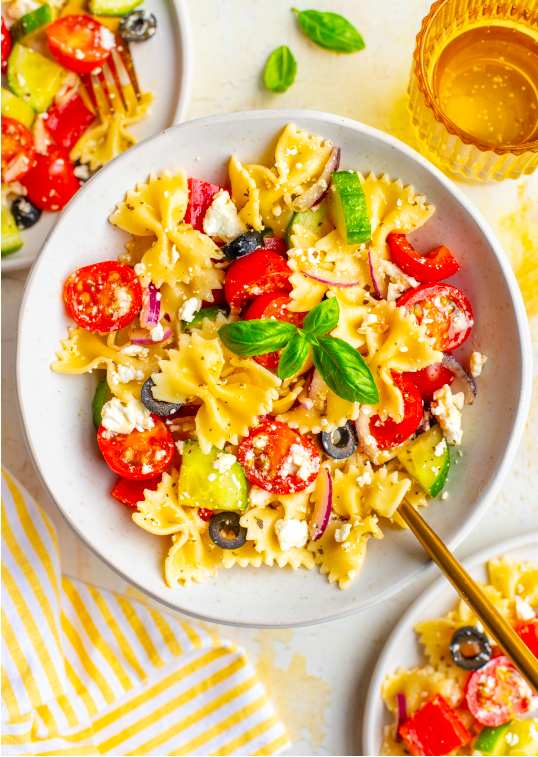
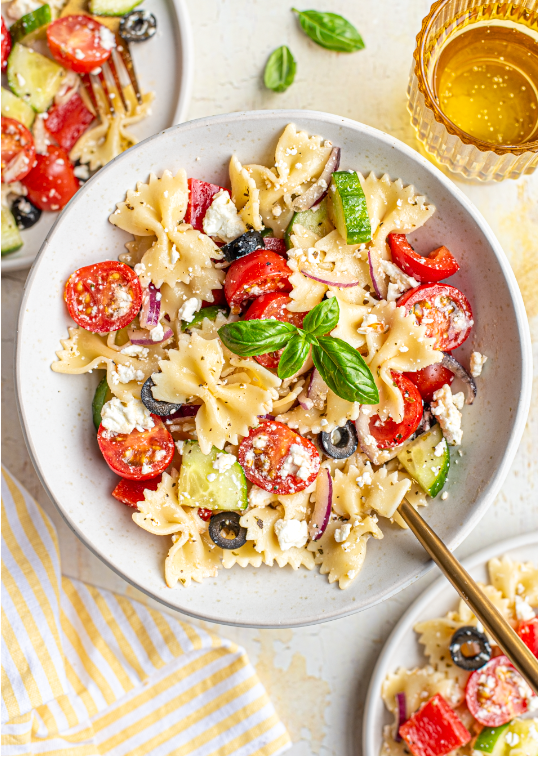
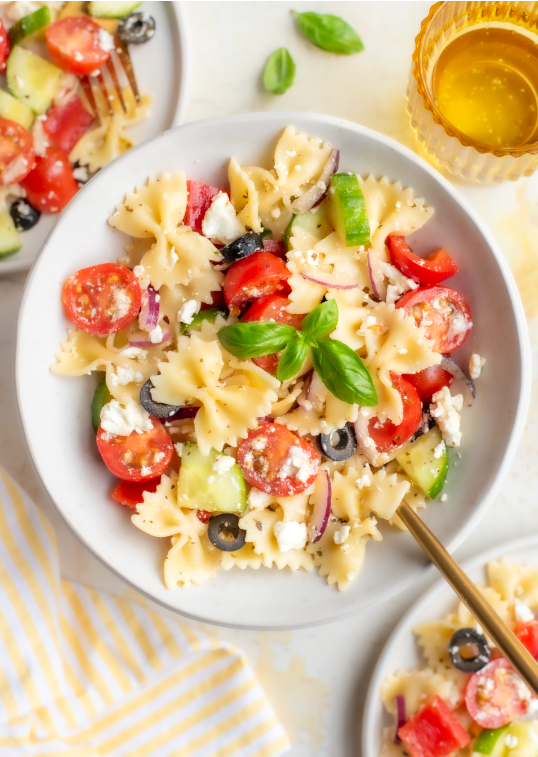
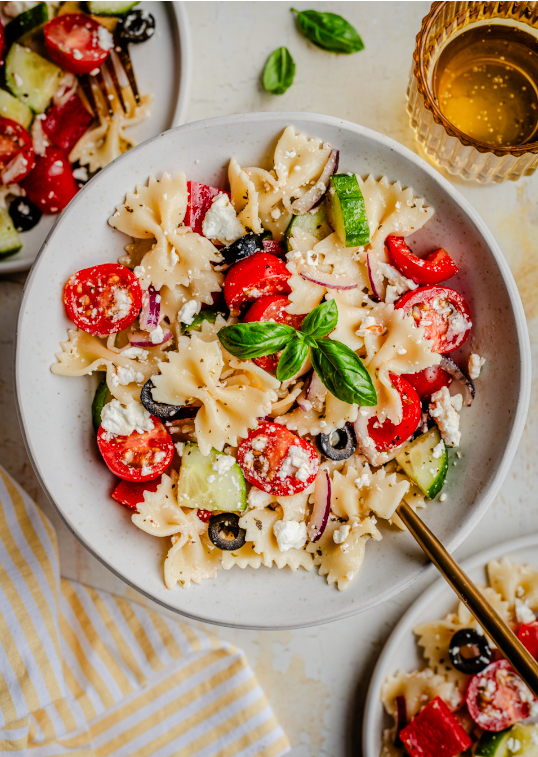
Post-processing should enhance your photos, not overwhelm them. It's easy to get carried away with sliders and filters, but restraint often creates more powerful images.
Common editing mistakes:
- Over-saturation: Colours become unnatural and distracting
- Excessive sharpening: Creates ugly halos and artefacts
- Heavy-handed smoothing: Food looks plastic and artificial
- Wrong presets: Not every preset works for every image
Editing best practices:
- Start subtle – Make small adjustments and build up gradually
- Edit with purpose – Ask yourself why you're making each adjustment
- Take breaks – Fresh eyes catch over-editing better than tired ones
- Print test – Images often look different on paper than on screen
- Develop your style – Consistency matters more than following trends
Moving Forward
Every photographer makes these mistakes – they're part of the learning process. The key is recognising them and gradually improving your technique.
Don't try to fix everything at once. Pick one area to focus on this week, master it, then move to the next. Photography is a journey, not a destination.
Need Help?
Still struggling with any of these concepts? I offer personalised image feedback services where I review your photos and provide specific guidance for improvement. Sometimes, a fresh pair of experienced eyes is exactly what you need to level up your photography.
Feel free to reach out through Instagram or email – I love helping fellow food photographers grow their skills!