I've been thinking about this project for a long time.
The idea was always there, lingering in the back of my mind every time I walked past a beautiful hotel restaurant with empty tables, or saw incredible bar programs buried inside hotels that locals didn't even know existed. I kept thinking: someone should tell this story.
But I didn't start. I told myself I needed more experience, better equipment, the perfect pitch. The truth? I was scared. Scared hotels would say no. Scared I wasn't "qualified" enough. Scared of putting myself out there with something this ambitious.
Then one day, I just… started. I reached out to the first hotel. Then the second. Then the third.
And Stay for Dinner became real.
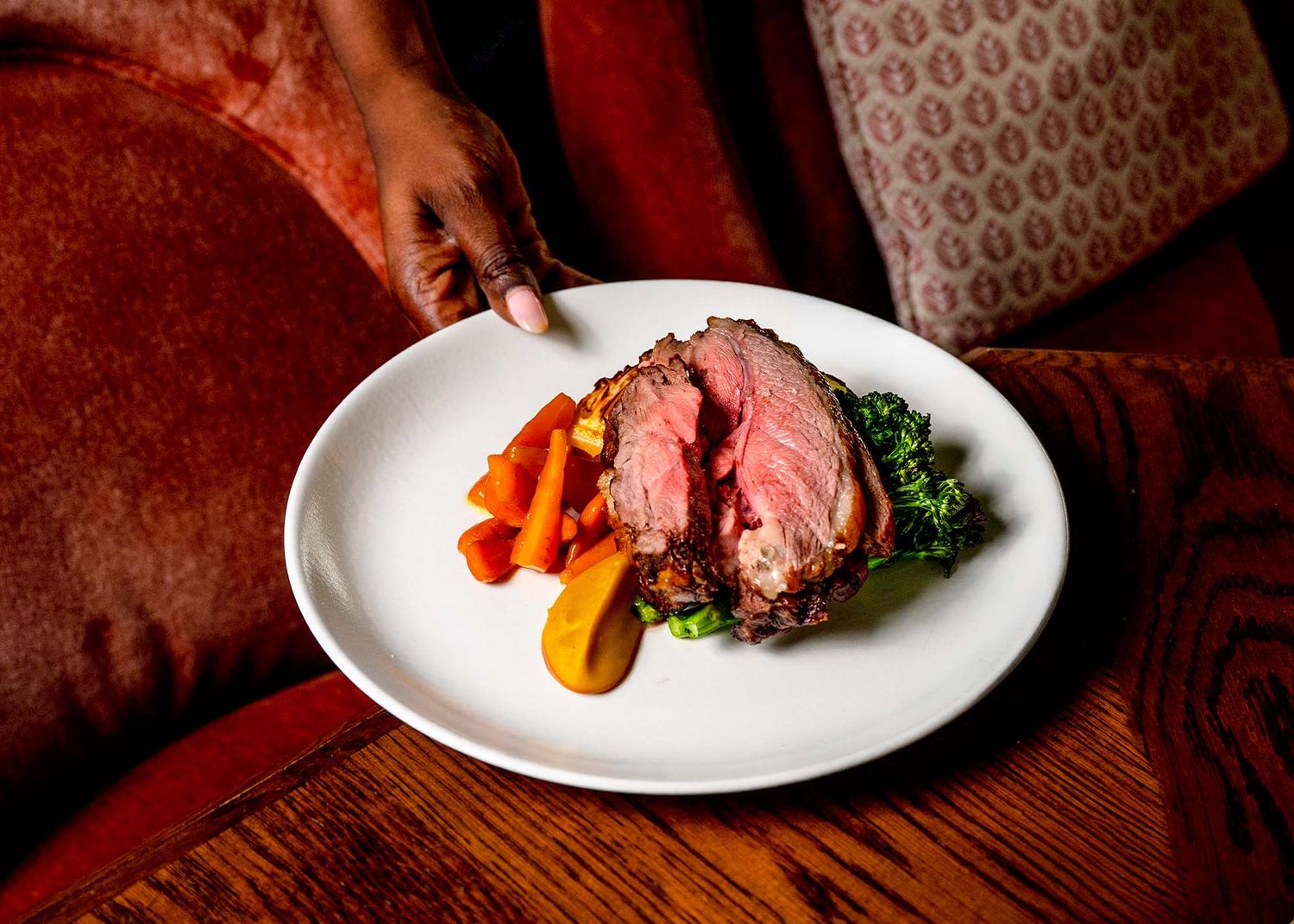
Hotels have evolved far beyond accommodation. They're neighbourhood hubs, design destinations, and increasingly—some of London's most exciting places to eat and drink.
But here's the problem: most people don't realise hotel restaurants and bars are open to non-guests. They walk past daily, assuming it's "just for hotel people," while incredible chefs, talented bartenders, and thoughtfully designed dining spaces sit underutilised.
Stay for Dinner is my answer to that gap.
This editorial series spotlights hotels redefining hospitality through exceptional dining experiences: inventive breakfast menus, destination bars, afternoon tea rituals, theatrical room service, and chef-driven restaurants worth visiting whether you're staying the night or not.
The goal is simple: make people stop and think, "I didn't know XYZ Hotel had that—I need to go there."
I've visited three hotels so far. Captured three dining spaces and one bar. Each visit was different. Each shoot was different. Each experience was different.
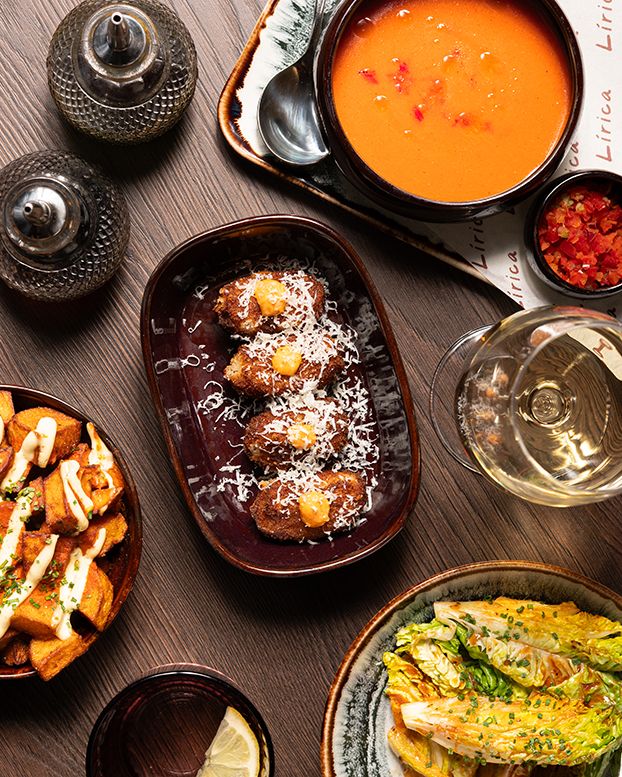
The Cumberalnd - Lirica
The Lirica was my first shoot—the one where I was terrified but tried very hard not to show it.
I showed up with my equipment, acting like I'd done this a hundred times before, while internally running through every possible thing that could go wrong. What if the light was terrible? What if I couldn't work fast enough? What if the food didn't photograph well and they regretted saying yes?
The staff were incredibly welcoming, which helped settle my nerves. They gave us creative freedom to choose what to shoot, which sounds ideal until you realise you're selecting dishes without knowing how each plate will actually look when it arrives, or whether they'll work together visually. It's a strange kind of blind trust: "We'll have the pasta, the fish, and… let's see what happens."
Luckily, the restaurant wasn't busy that day. No pressure of interrupting service, no stressed kitchen team side-eyeing us for taking up table space. Just us, the food, and the quiet hum of a dining room between services. It gave me breathing room to figure things out without feeling like I was in anyone's way.
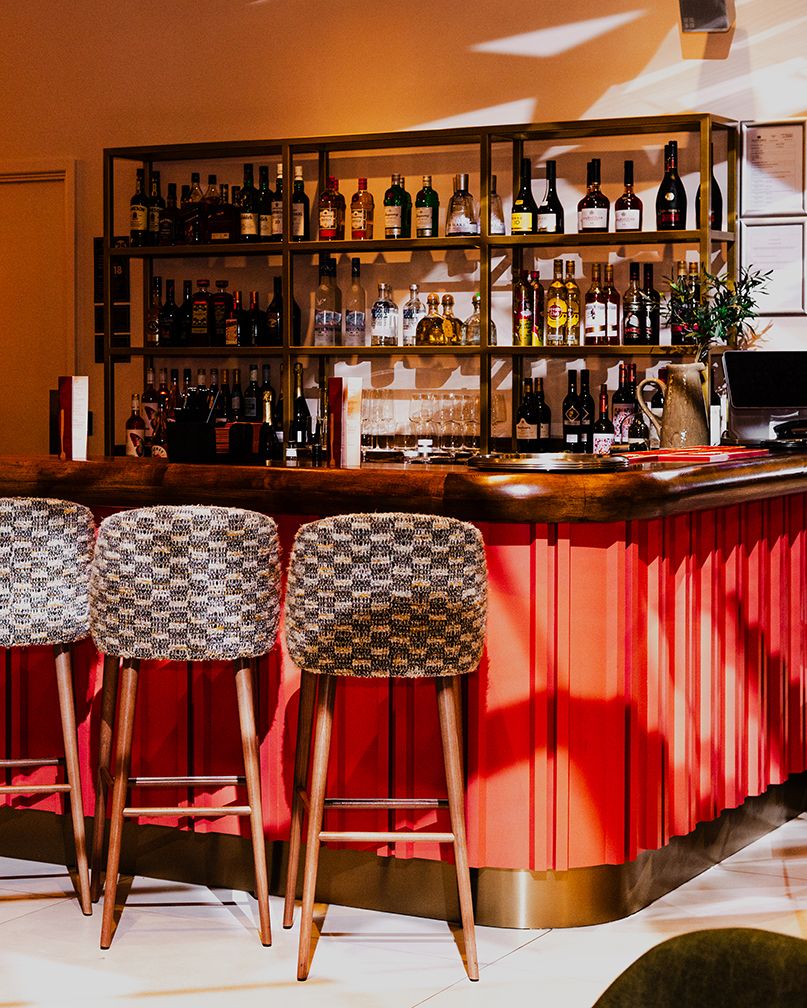
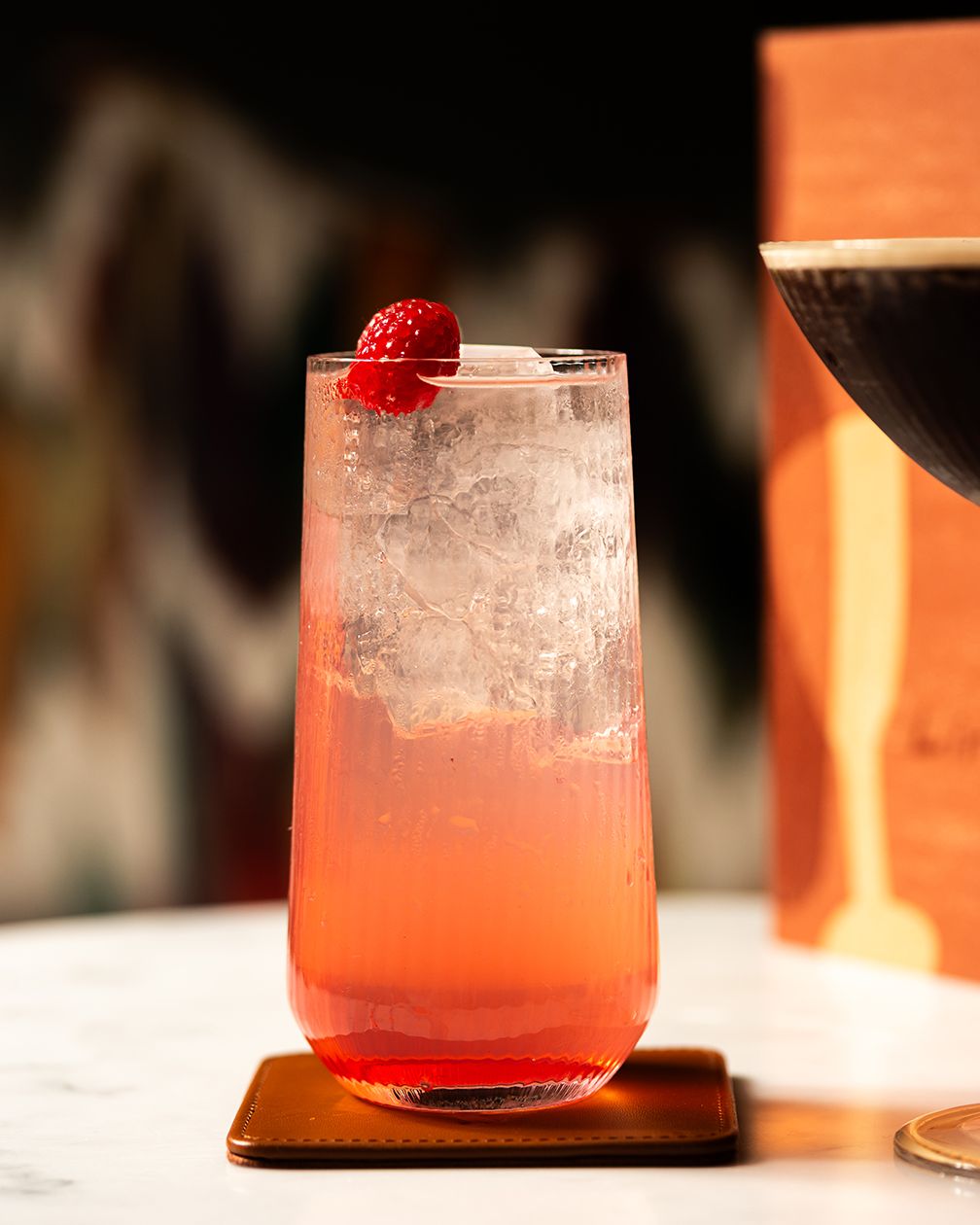
What I learned: Shooting on-site is a completely different beast than a controlled studio setup.
On one hand, it's easier—the food is ready, professionally plated by people who know what they're doing. You're working in a real dining space with ambient light and atmosphere already built in. Everything feels authentic because it is.
On the other hand, it's harder in ways I didn't anticipate. There's the pressure of booked time ticking away. The awareness that a manager is somewhere nearby, keeping an eye on things, wondering if this will actually be worth it. You can't endlessly restyle a dish or wait for perfect light—you have to make decisions quickly and trust your instincts.
The Lirica taught me that confidence isn't about knowing everything in advance. It's about showing up, adapting on the spot, and trusting that you'll figure it out as you go.
And somehow, we did.
The Langham - The Wigmore
If The Lirica eased me in gently, The Wigmore threw me straight into the deep end.
This was a proper luxury hotel. Doorman. Bespoke fragrance pumped through the lobby. The kind of place where everything—from the glassware to the way staff fold napkins—has been considered down to the millimetre. Walking in with my camera bag, I felt the pressure immediately ratchet up.
But again, the team couldn't have been kinder. The chef came out to introduce himself, which I wasn't expecting. The manager was so collaborative, she offered to be a hand model on the spot—"I can hold things if you need!"—which instantly made me feel like we were in this together rather than me being some outsider disrupting their space.
They gave us a dedicated area: half the bar, just for us. No guests, no interruptions. It should have been perfect.
And then my strobe refused to connect to my camera.
I tried everything. YouTube tutorials, troubleshooting guides, ChatGPT walking me through settings—nothing worked. In a luxury hotel. With staff waiting. With a chef who'd carved out time to be there. My hands were shaking as I kept fiddling with settings, trying not to let anyone see that I was spiralling internally.
Luckily, I'd invited Laris (my videographer collaborator on this project—working with her has been one of the best decisions I've made), and she had her video light. We pivoted. Adapted. Made it work.
But I won't lie—I needed a few minutes to step away, take a breath, and pull myself together before continuing. The stress was real. The fear of looking unprofessional, of wasting their time, of proving that maybe I wasn't ready for this—it all hit at once.
And then we kept shooting.
The photos turned out beautifully. The hotel team loved the results. No one watching would have known anything went wrong.
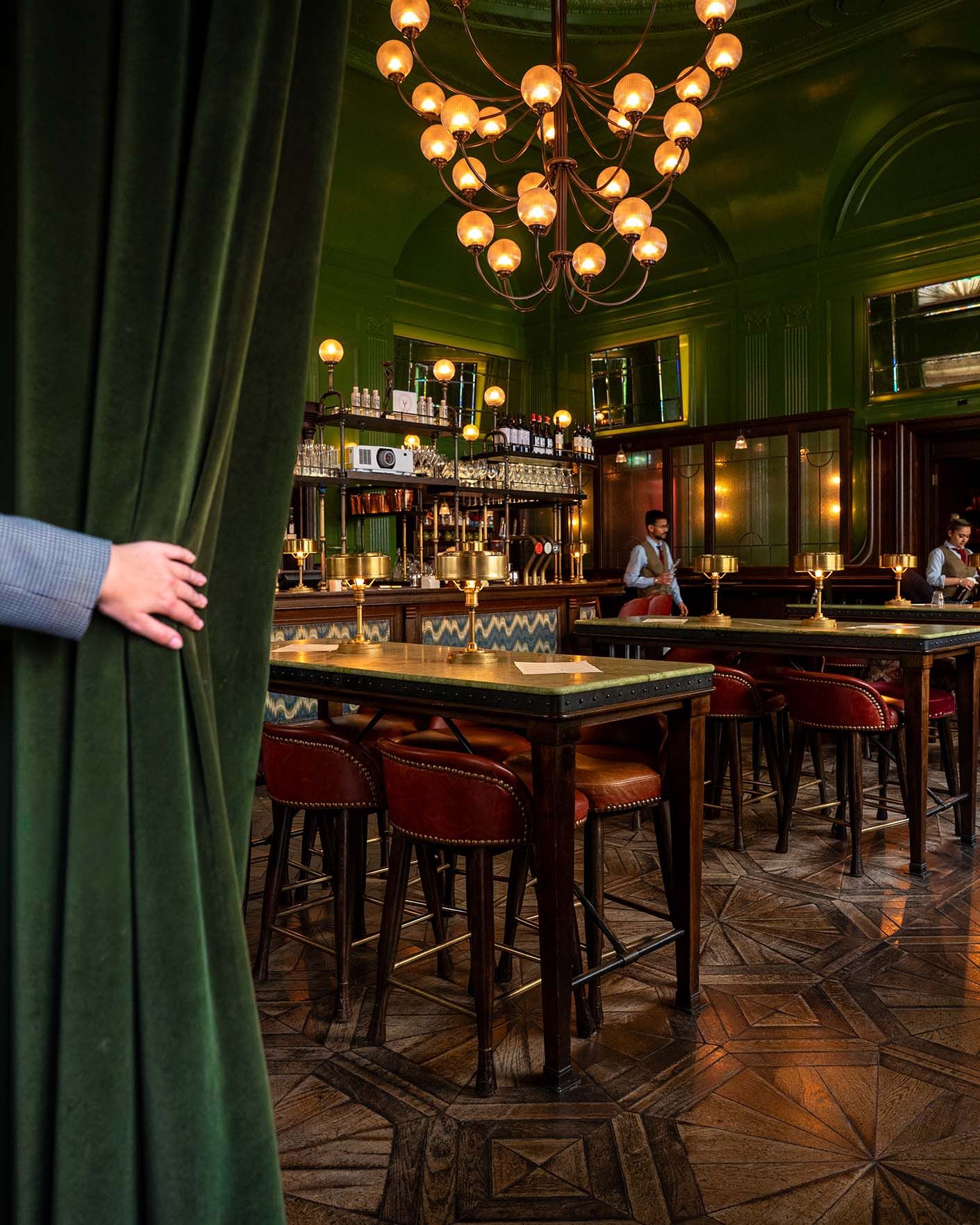
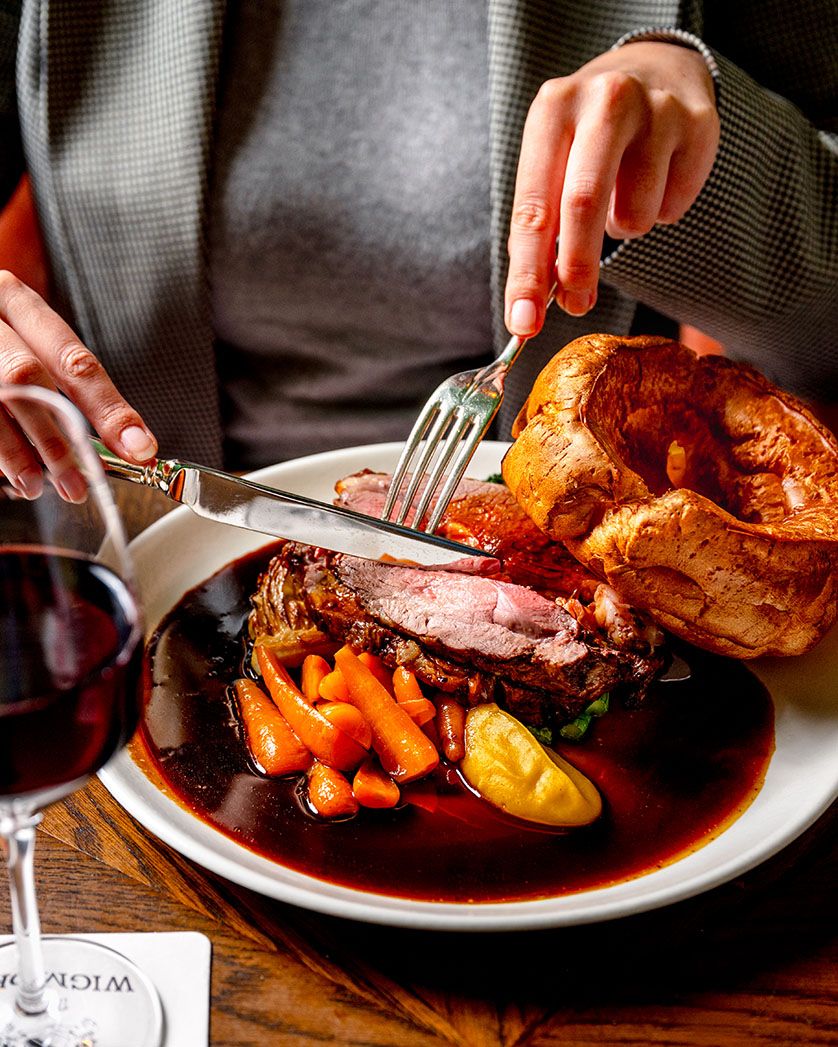
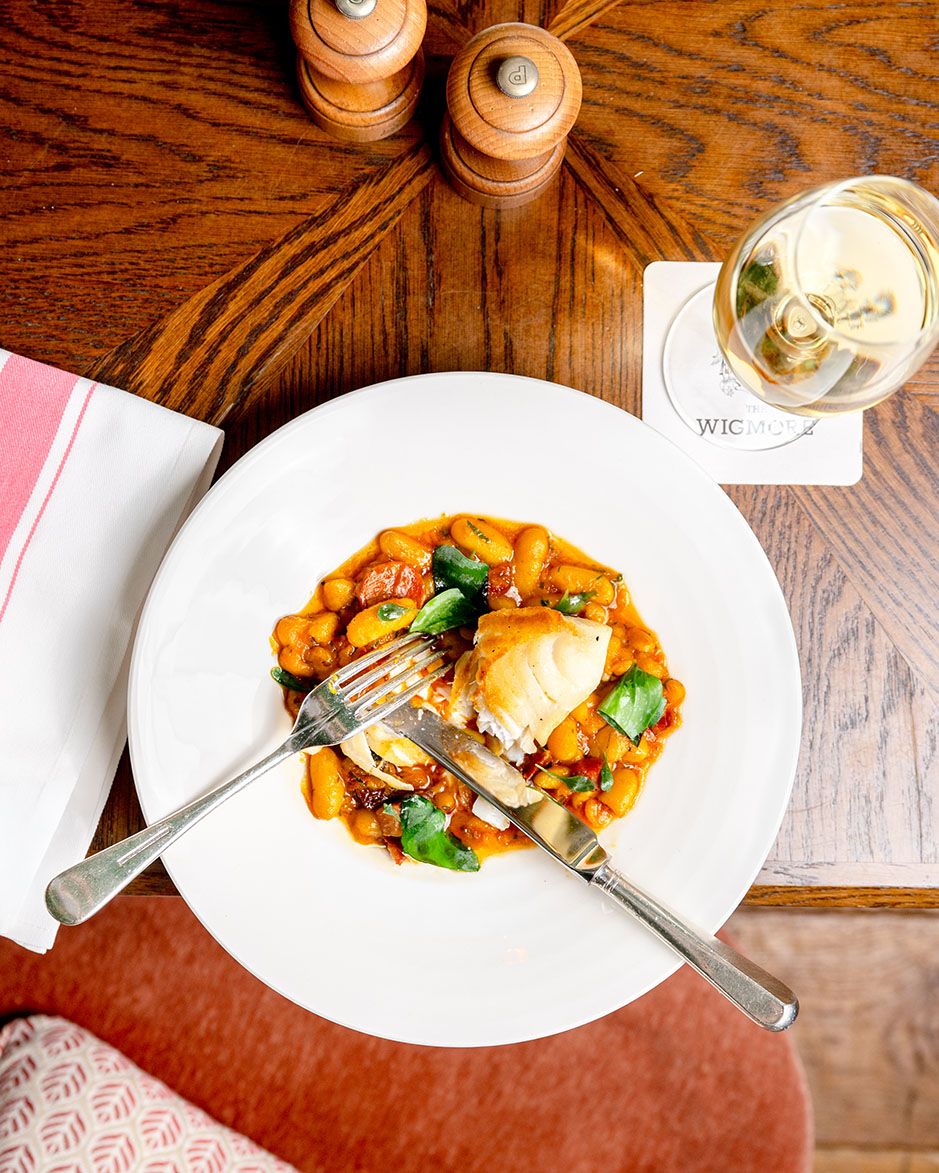
What I learned: Capturing action shots would have been significantly easier with a strobe. The freeze-frame crispness, the control over motion blur—all the things I'd normally rely on weren't available.
So I adapted. Again.
Slower shutter speeds. Anticipating the bartender's movements. Shooting more frames than usual and trusting that timing and patience would get us there.
The Artesian Bar taught me that sometimes the best creative moments come from working within limitations, not despite them. When you can't rely on your usual tools, you learn to see differently. And sometimes, that produces something even better than what you'd originally planned.
The Langham - Artesian Bar
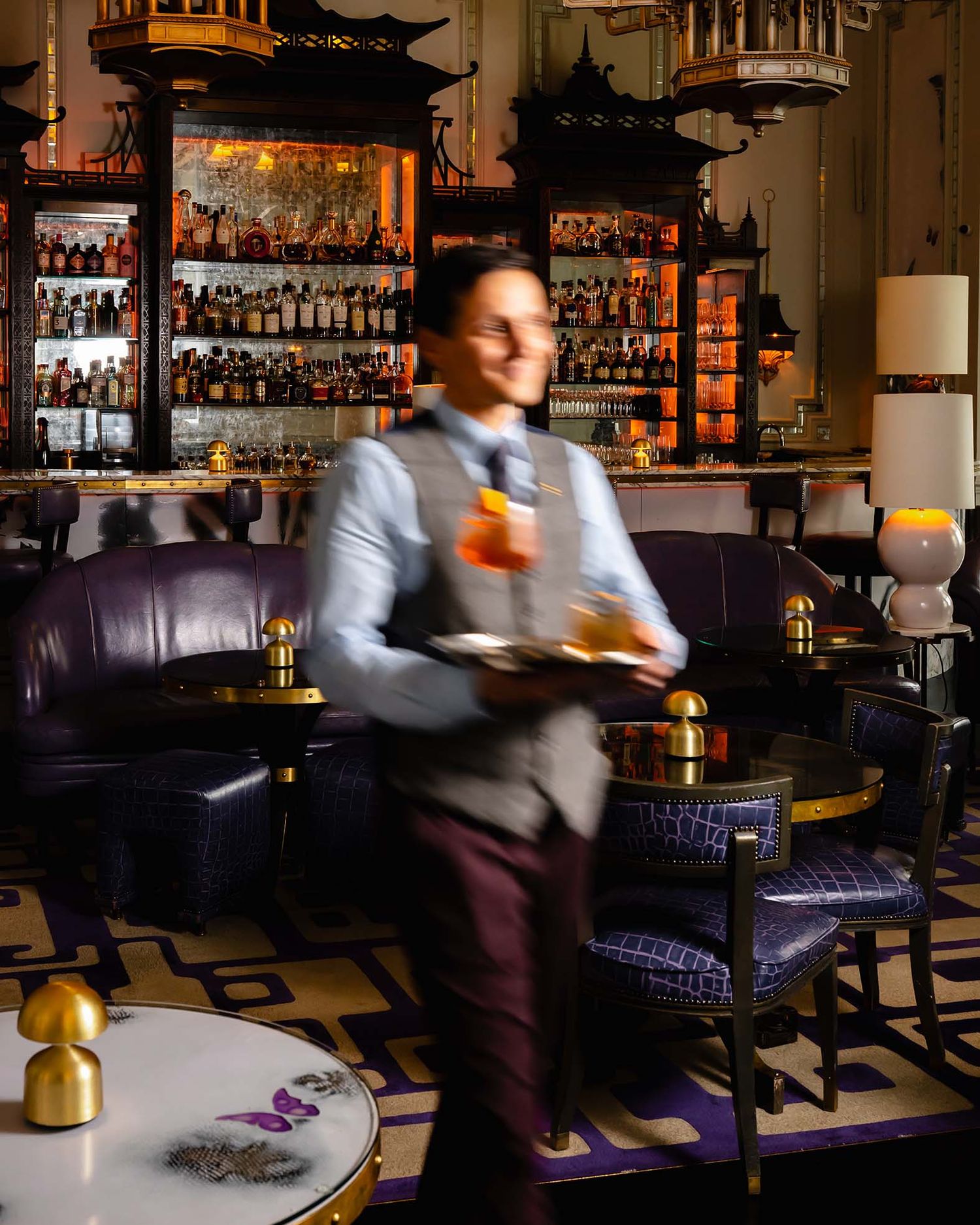
After The Wigmore shoot wrapped, we moved to another part of the hotel—Artesian Bar. By this point, I was still running on adrenaline from the strobe failure earlier, but something about this space immediately felt different.
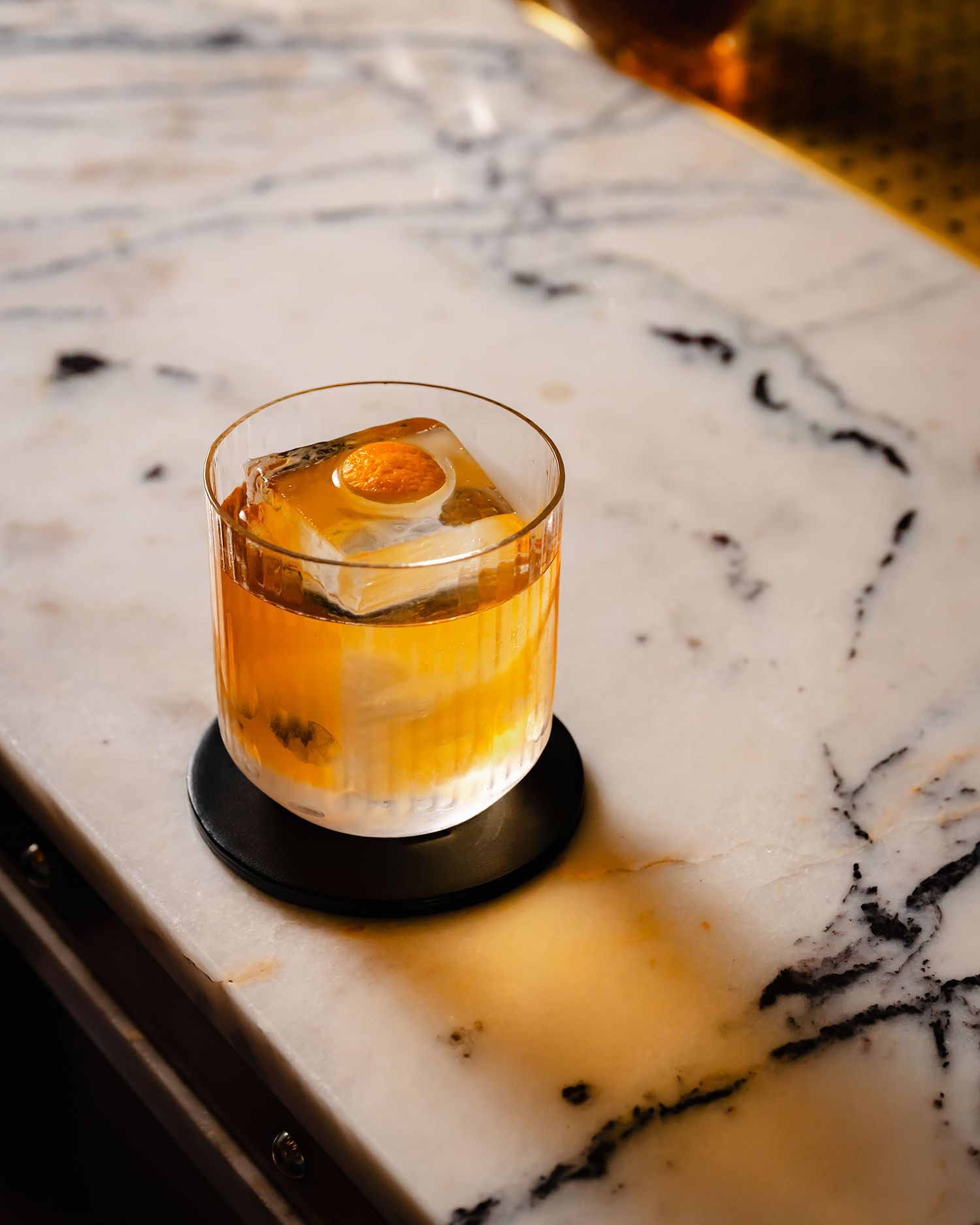
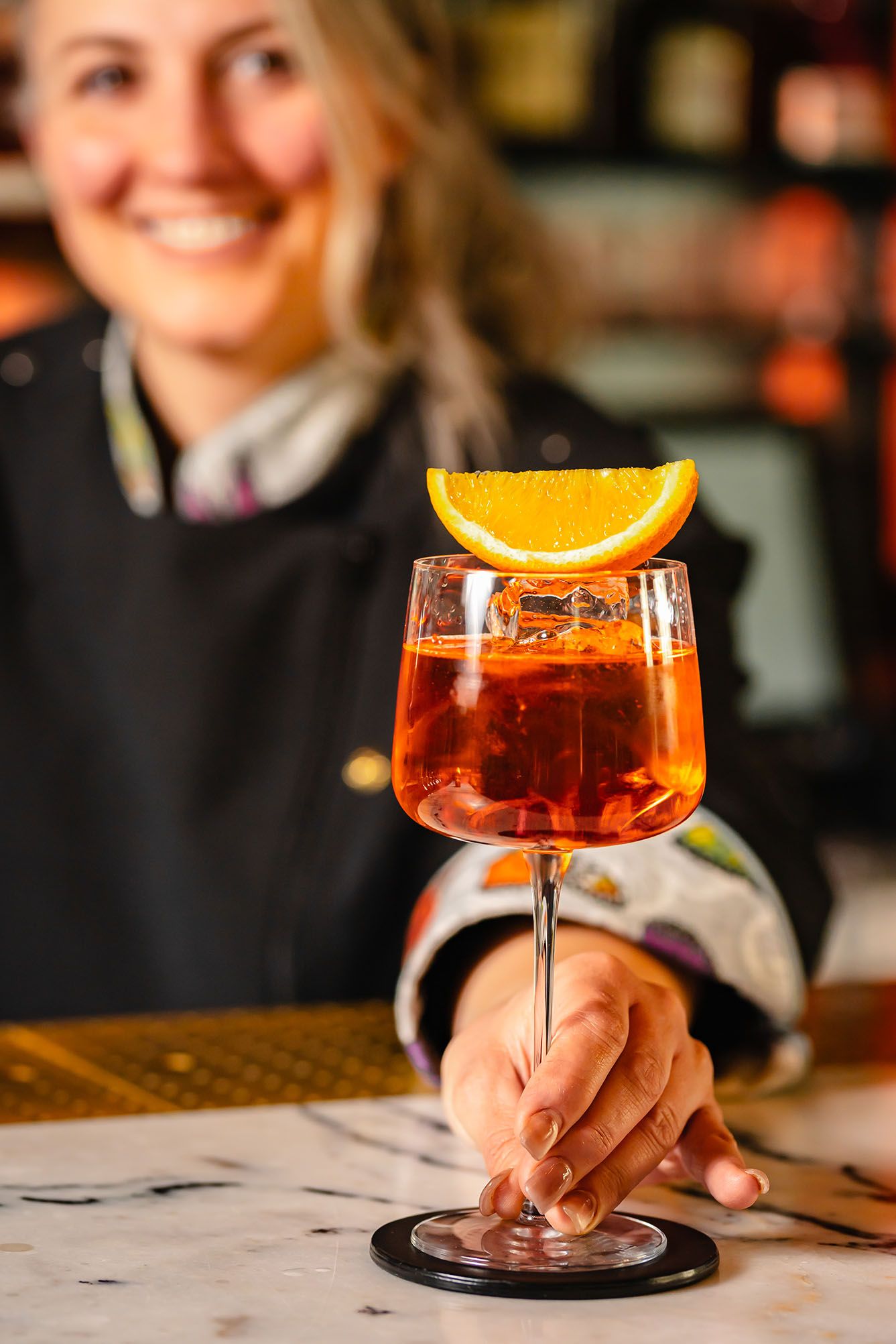
The bartender had come in early, before her shift, specifically to prepare cocktails for us. Four drinks. From prep to pour to final garnish—she walked us through the entire process with the kind of calm expertise that comes from years behind the bar.
I loved watching her work. The precision of measuring, the theatricality of shaking, the way she styled each drink with intention. You could tell she'd worked with photographers before—she knew her angles, gave us space to shoot, and moved at a pace that worked for the camera without feeling performative.
It was smooth. Enjoyable, even. The kind of shoot where you're not fighting the environment or the timeline—you're just documenting something beautiful happening in front of you.
But I was still without my strobe. Which meant leaning entirely on Laris's continuous light for video work, adapted for stills. Not ideal for capturing fast action—like the shake of a cocktail shaker or the pour into a coupe glass—but we made it work.
What I learned: Stay professional, no matter what stops you.
Equipment fails. Plans change. Things go sideways in ways you can't predict. But the way you handle it—calmly, without making it the client's problem, finding solutions instead of excuses—that's what separates someone who's just starting from someone who knows how to deliver regardless of the circumstances.
The Wigmore taught me that professionalism isn't about everything going perfectly. It's about what you do when it doesn't.
Sloane Square Hotel - The Knox
By the time we arrived at Sloane Square Hotel, I thought I had this figured out. I'd researched the space and studied the menu. Visualised the shots. I was prepared.
And then the manager greeted us with: "So, we're actually quite busy with lunch service upstairs, and the hotel's in the middle of renovations. We'll be shooting in the basement club instead—The Knox—and their menu."
Right. Cool. Totally fine. Absolutely not the plan, but sure. We headed downstairs to The Knox, a moody, intimate club space that felt worlds away from the bright dining room I'd been mentally preparing for. Then came the next curveball: we'd have to wait for the food. The kitchen was slammed, and the manager wasn't entirely sure what dishes would come out.
"But I can bring you some cocktails in the meantime?"
So we pivoted. Again.
The cocktails became the starting point. Laris and I had planned video content around plated dishes, so we adapted on the fly—capturing pours, garnishes, the theatre of cocktail preparation instead. It was actually fun. Spontaneous. A reminder that sometimes the best content comes from what you didn't plan.
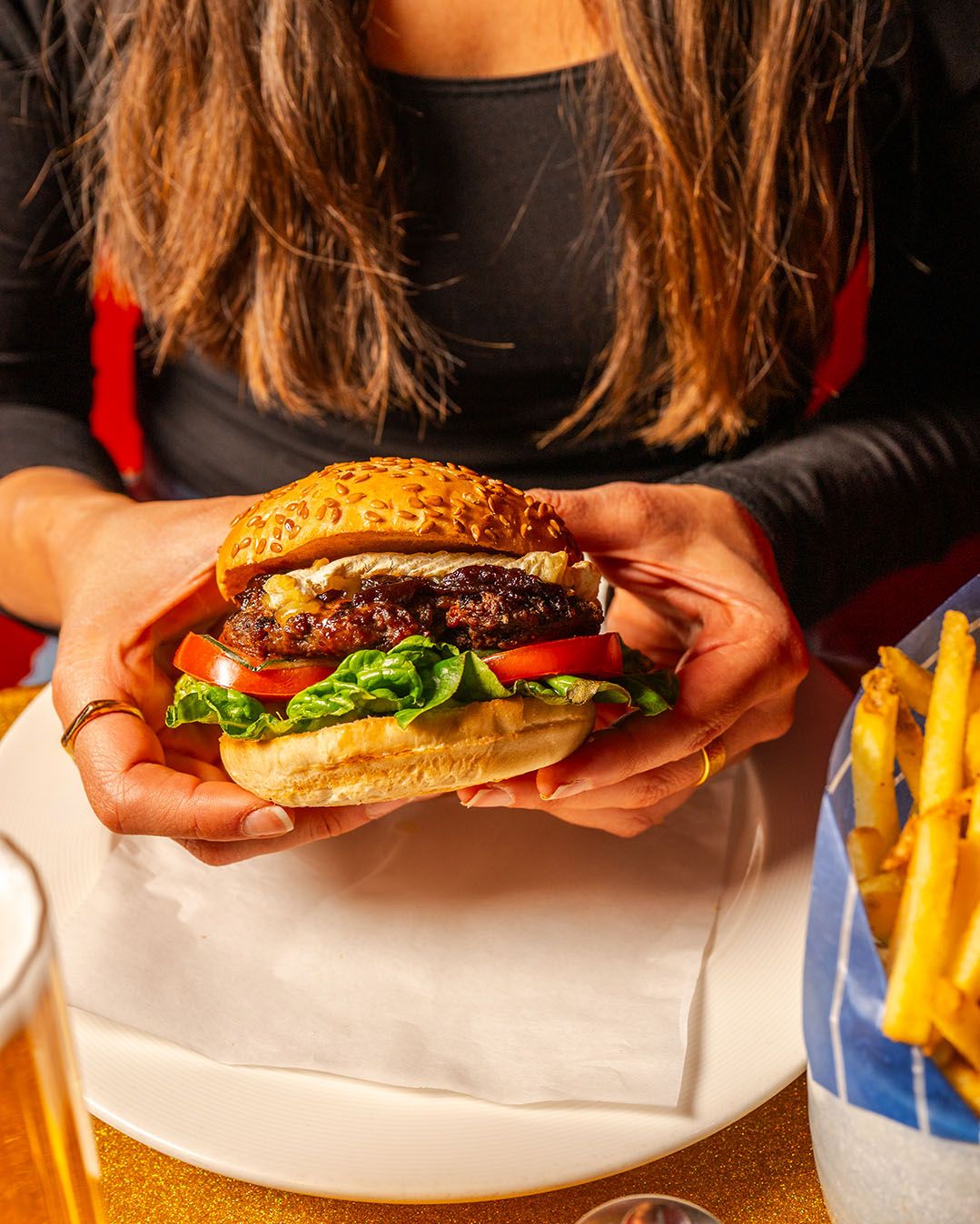
When the food eventually arrived, it wasn't what I'd expected to shoot. Not the hero dishes I'd researched. Not the beautifully plated signature items I'd envisioned. Just… what the kitchen could send down while managing a busy lunch service upstairs. But it was what it was. So we shot it.
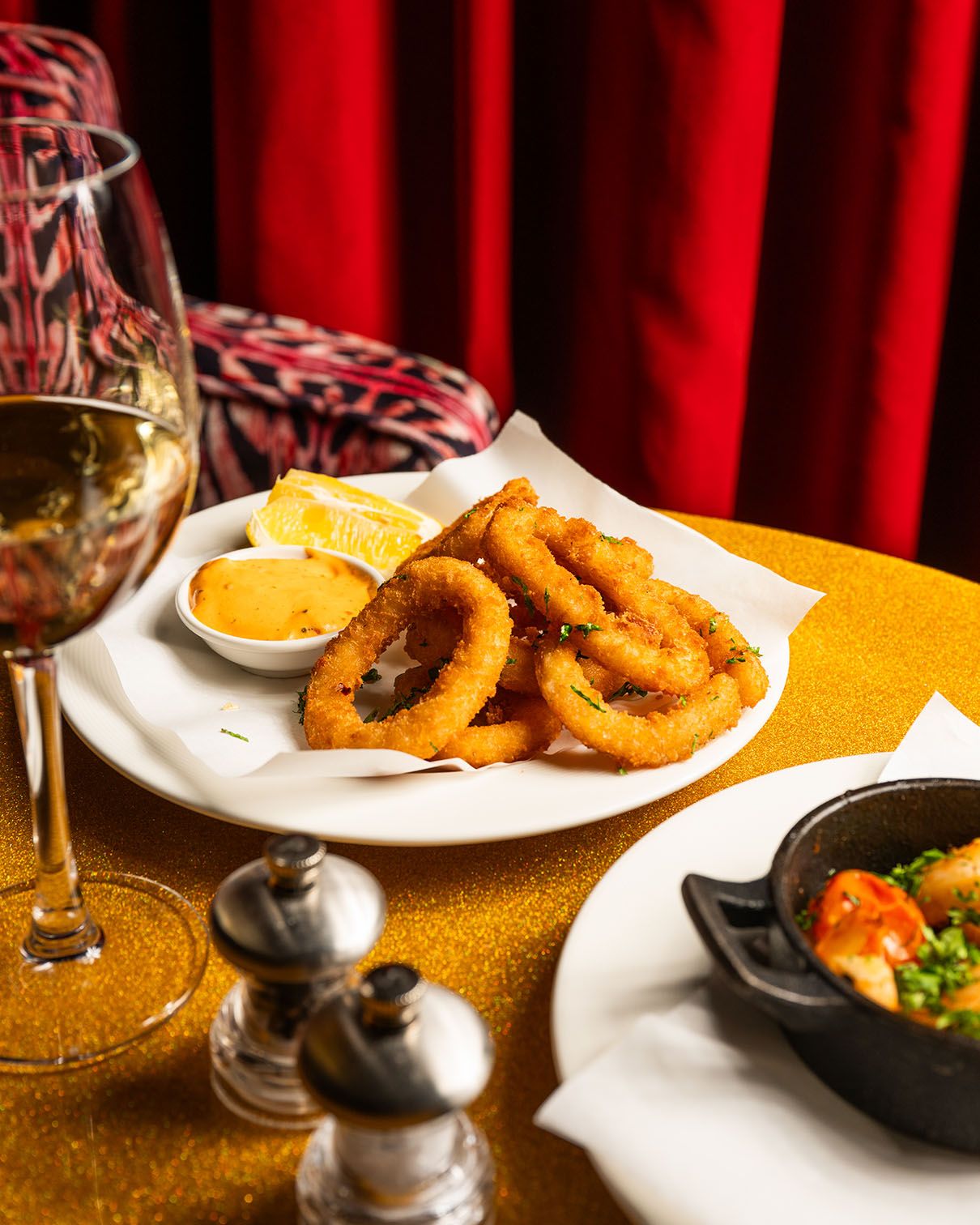
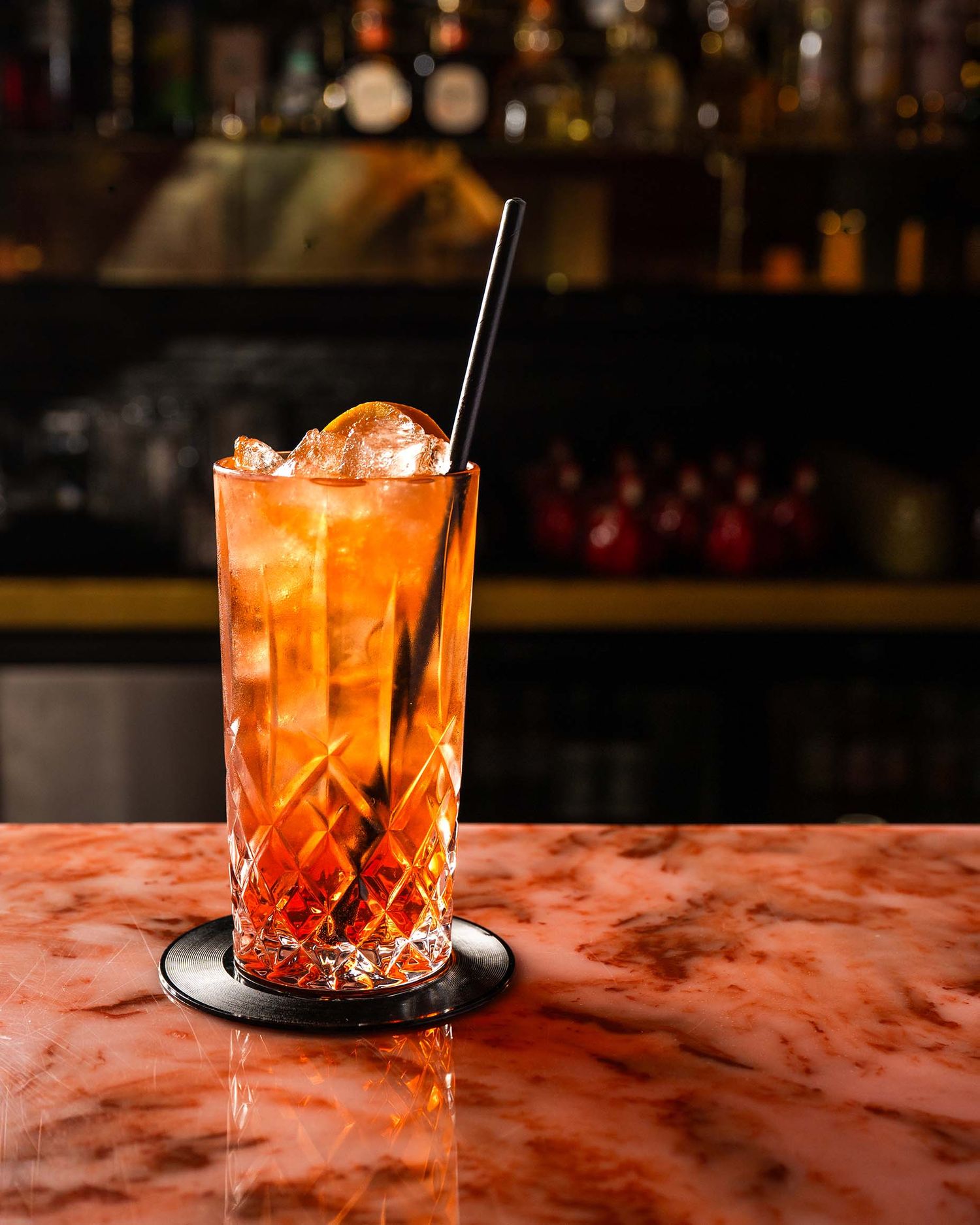
What I learned:
When you shoot restaurant or hotel menus, you won't always photograph what you want to shoot. Sometimes you shoot what the client needs you to shoot—or what's available in that moment.
You can research endlessly, prep shot lists, and visualise compositions. But if the kitchen is busy, the space is unavailable, or the plan changes five minutes before you start, none of that matters. What matters is adapting quickly, staying professional, and delivering something valuable regardless of the circumstances.
The Knox taught me that flexibility isn't optional in this work—it's the baseline. The photographers who succeed aren't the ones who execute perfect plans. They're the ones who can pivot when the plan falls apart and still walk away with great work.
Then came the surprise...
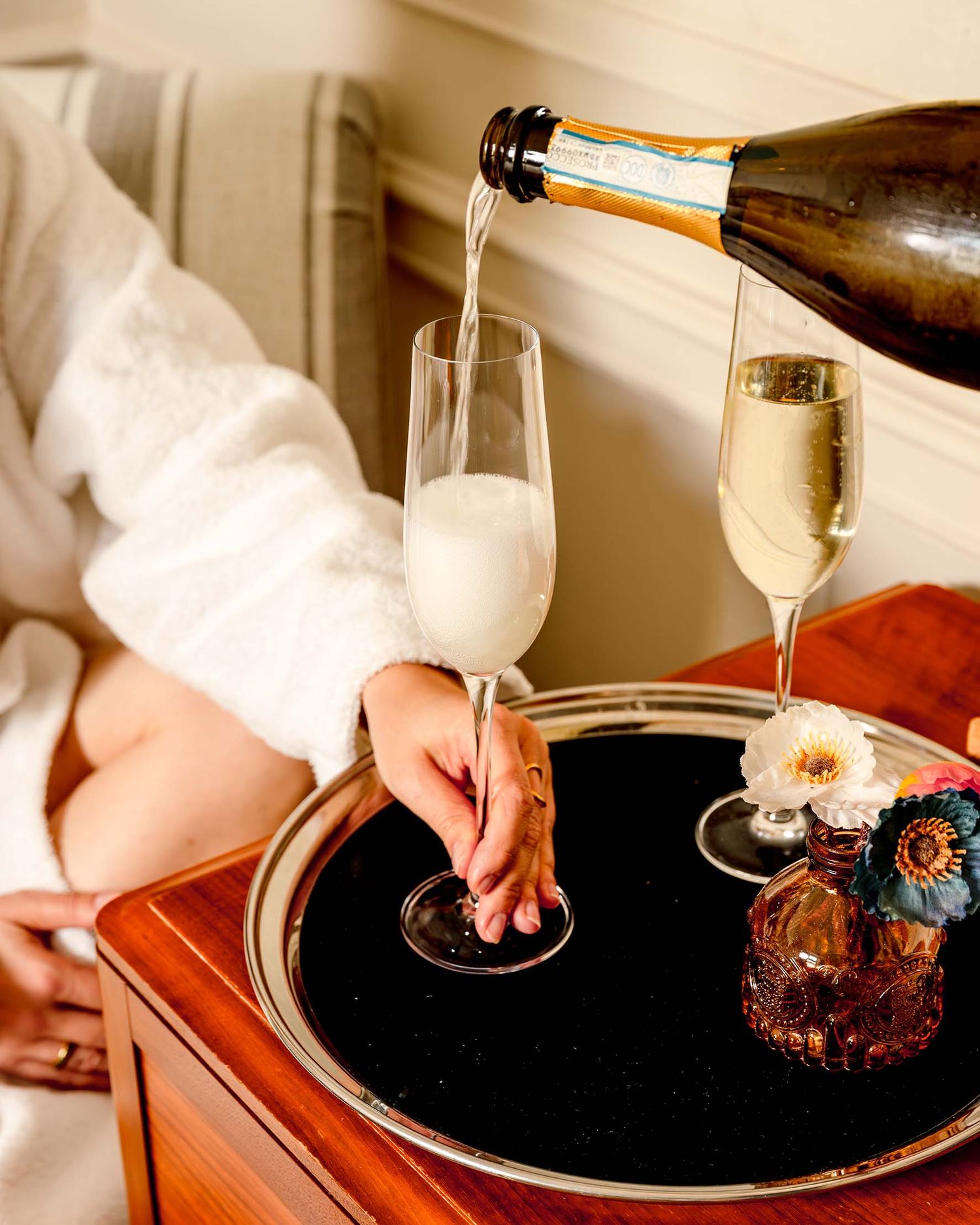
Just as we were wrapping up, the manager asked: "Would you like to capture a room as well? Maybe afternoon tea, prosecco in bed—a little moment upstairs?"
We said yes immediately.
And that became the best part of the entire shoot. The room was gorgeous—natural light streaming through the windows, crisp white linens, and champagne flutes catching the afternoon sun. It was intimate, aspirational, exactly the kind of "Stay for Dinner" moment I'd envisioned from the beginning: hotels aren't just about sleeping, they're about experiencing. Breakfast in bed. Prosecco before heading out. The small luxuries that make a stay memorable.
Suddenly, all the chaos of the basement shoot didn't matter. This was the shot that told the story.
It also taught me something equally important: stay open to opportunity. The room shoot wasn't in the original plan. It came up spontaneously because we'd been flexible, collaborative, and present. If I'd been rigid about "the plan," we'd have missed the best content of the day.
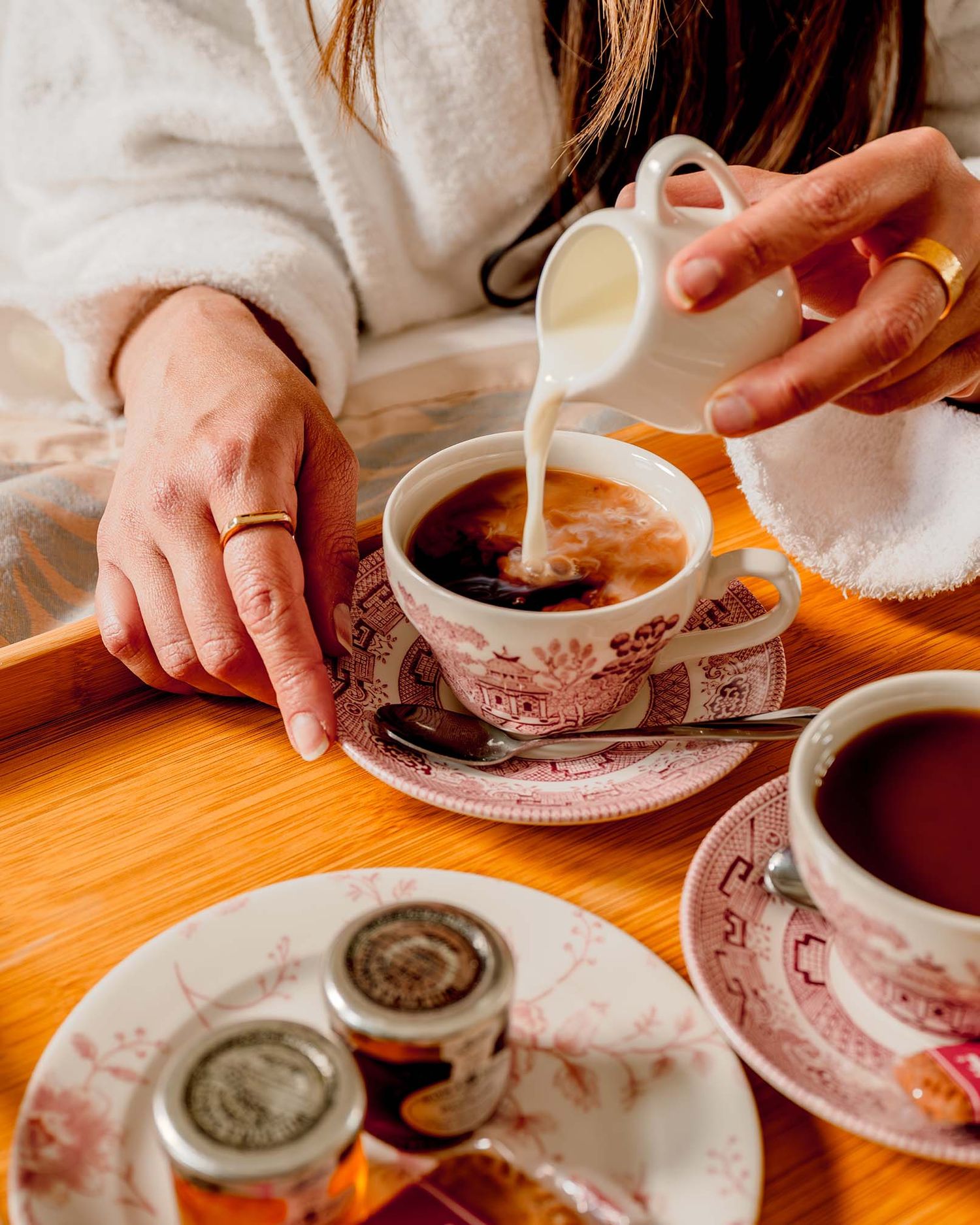
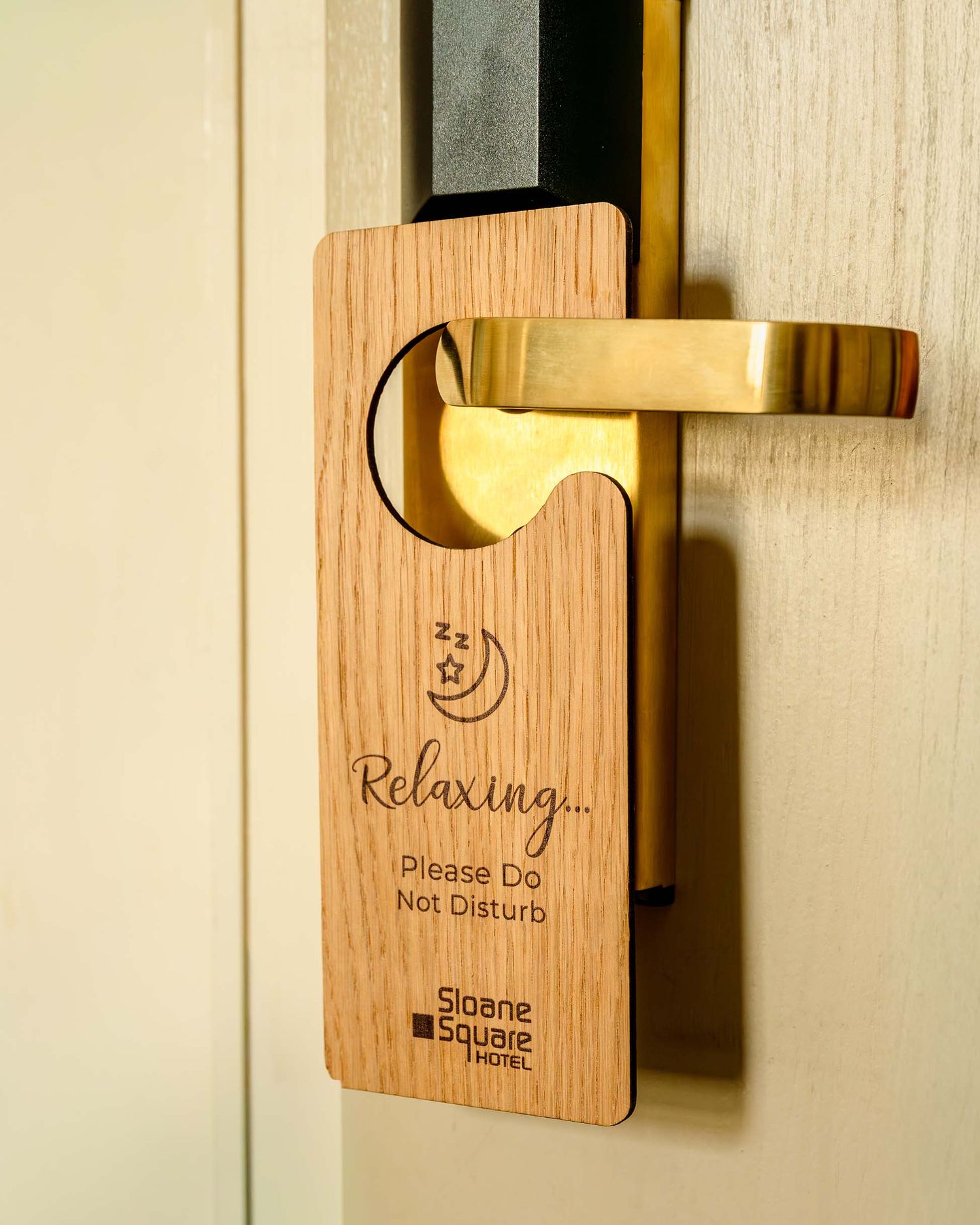
When I finally started Stay for Dinner, I realised the fear had been completely unfounded.
Hotels want to tell their dining stories. They know locals don't realise they're open to non-guests. They're open for new projects and new content they can get.
But beyond helping hotels, this project is personal.
It's about proving to myself that I can create something bigger than client work. That I can pitch an idea I believe in and have people say yes. That being scared of starting something doesn't mean you shouldn't start it anyway. That's also opened the doors to restaurant photography itself.
Every time I walk into a hotel now, camera in hand, knowing I get to document these spaces and share them with people who care—I remember why I was scared to start.
And I'm so glad I did it anyway.
Stay for Dinner is just beginning. I'm continuing to feature London hotels throughout 2026, documenting the full spectrum of hotel dining culture—from breakfast in bed to late-night cocktails.
If you're a hotel doing something special with your F&B offering, or if you know a place that deserves to be featured, I'd love to hear from you.