
When you scroll through Instagram or flip through a cookbook, the images that make you pause aren't always the ones packed with visual information. Often, it's the photographs with breathing room—those artful compositions where empty space plays as important a role as the food itself—that truly captivate us.
Negative space, the area surrounding your subject, is one of the most underutilised yet powerful tools in food photography. While the instinct might be to fill every corner of your frame with delicious details, embracing emptiness can transform a simple dish into a striking image that commands attention.
Why Negative Space Works
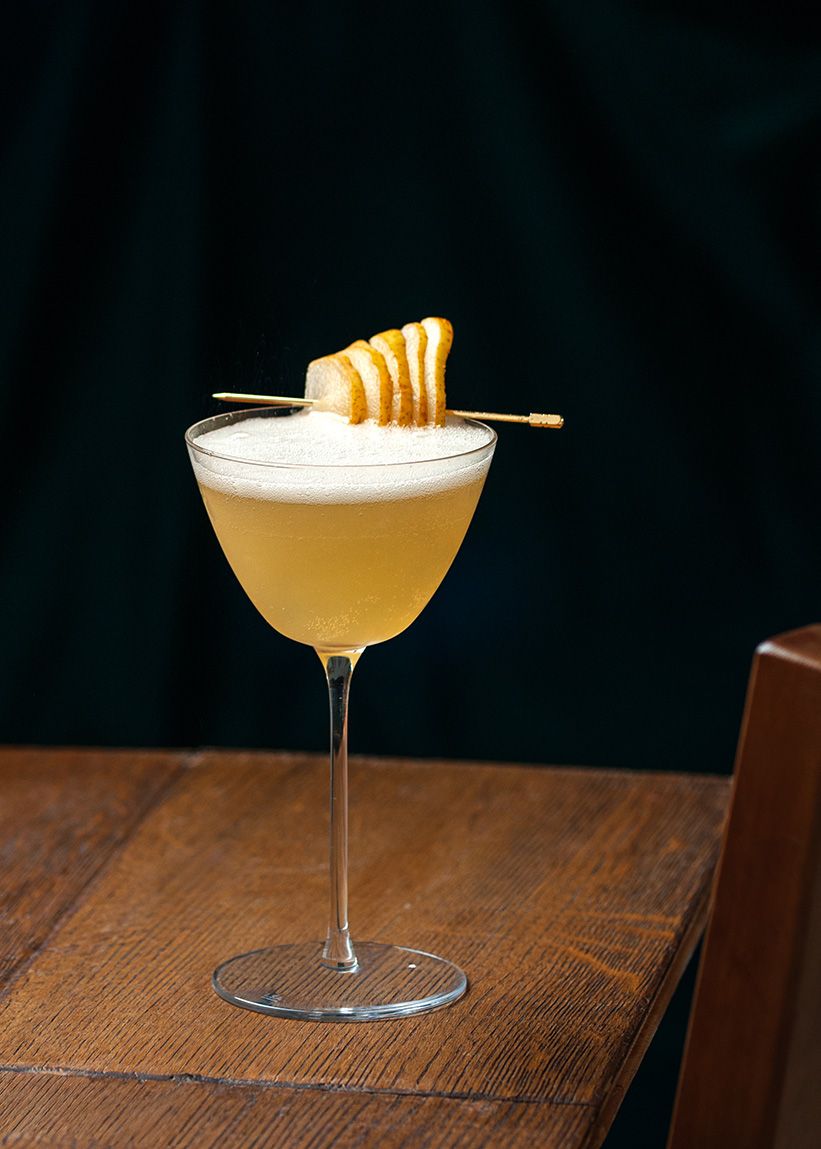
Our eyes need rest. When a photograph gives us room to breathe, we can actually focus on what matters: the hero of your shot. Take this image of a drink mid-pour. The liquid catching the light becomes mesmerising precisely because there's nothing else competing for your attention. The negative space amplifies the moment—that suspended second where the pour becomes the entire story. Without the emptiness surrounding it, this dynamic action would lose its impact.

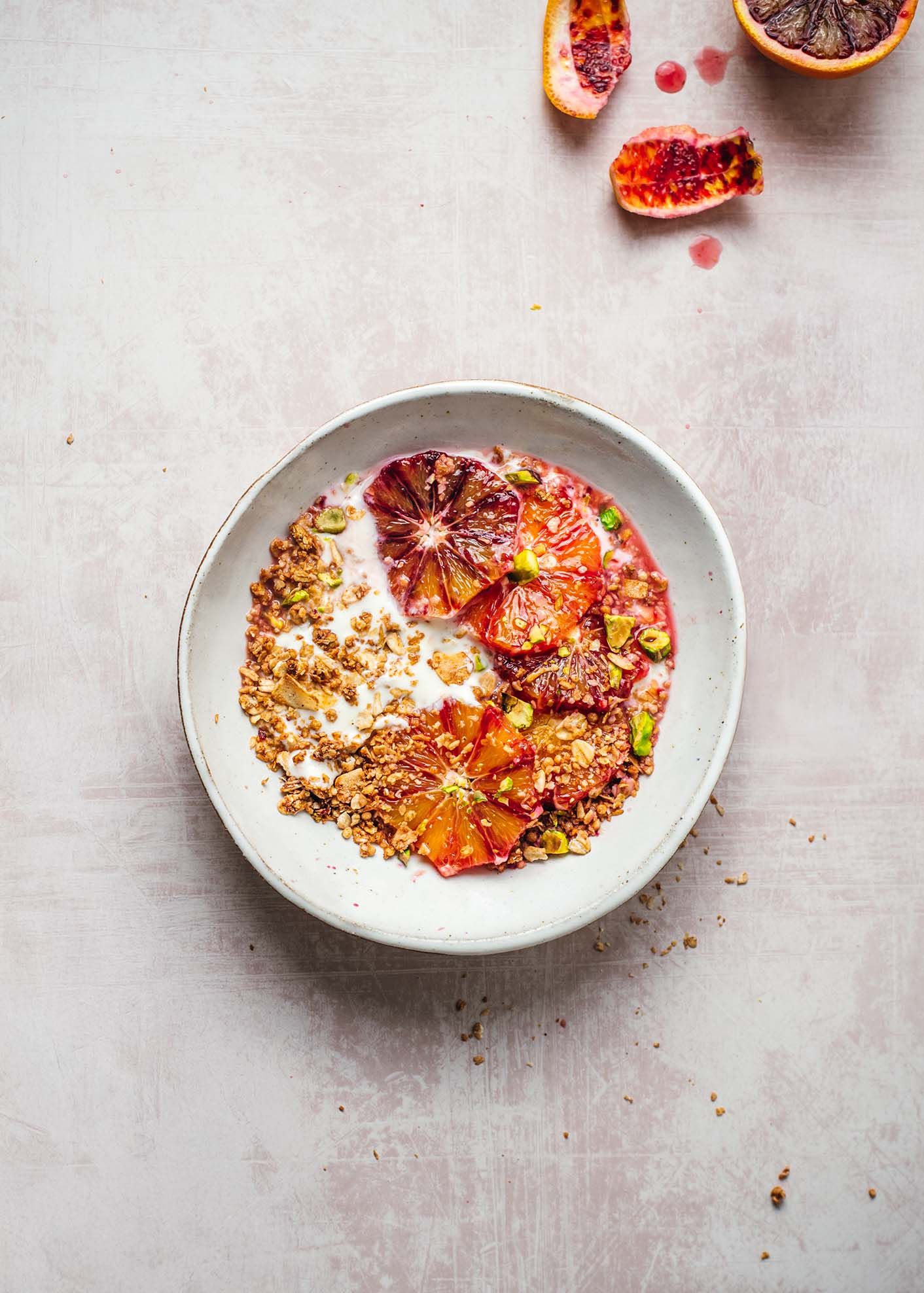
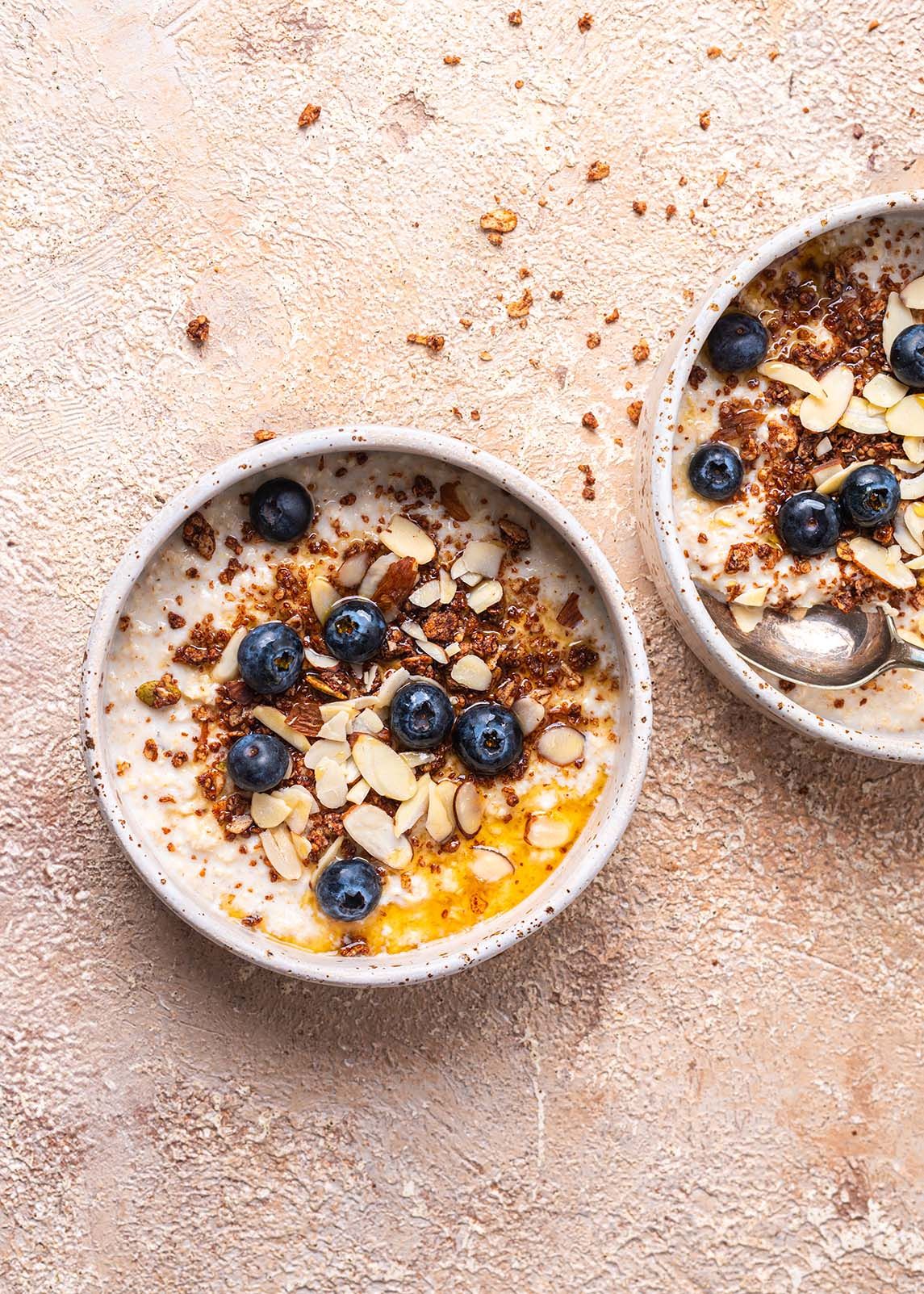
Or consider this granola bowl tucked into the corner of the frame. The scattered orange slices and peels lead your eye through the composition, while the generous empty space suggests a lazy weekend morning—unhurried and peaceful. The negative space doesn't just frame the food; it frames the feeling.
These examples show how negative space creates a visual hierarchy that guides the viewer's eye exactly where you want it to go. It whispers rather than shouts, drawing people in with subtlety and sophistication. There's an elegance to restraint that feels distinctly modern and editorial.
The Practical Magic
Beyond aesthetics, negative space serves practical purposes. That empty area becomes prime real estate for text overlays if you're shooting for a blog, menu, or social media. It gives graphic designers room to work and ensures your composition remains flexible across different platforms and uses.


The breathing room also evokes a mood. Generous negative space can feel minimalist and contemporary, suggesting refinement and intentionality. It can make a rustic dish feel artisanal rather than cluttered, or elevate everyday ingredients into something worth savouring slowly.
Finding the Balance
Working with negative space doesn't mean your frame should feel empty or boring. The key is intentionality.
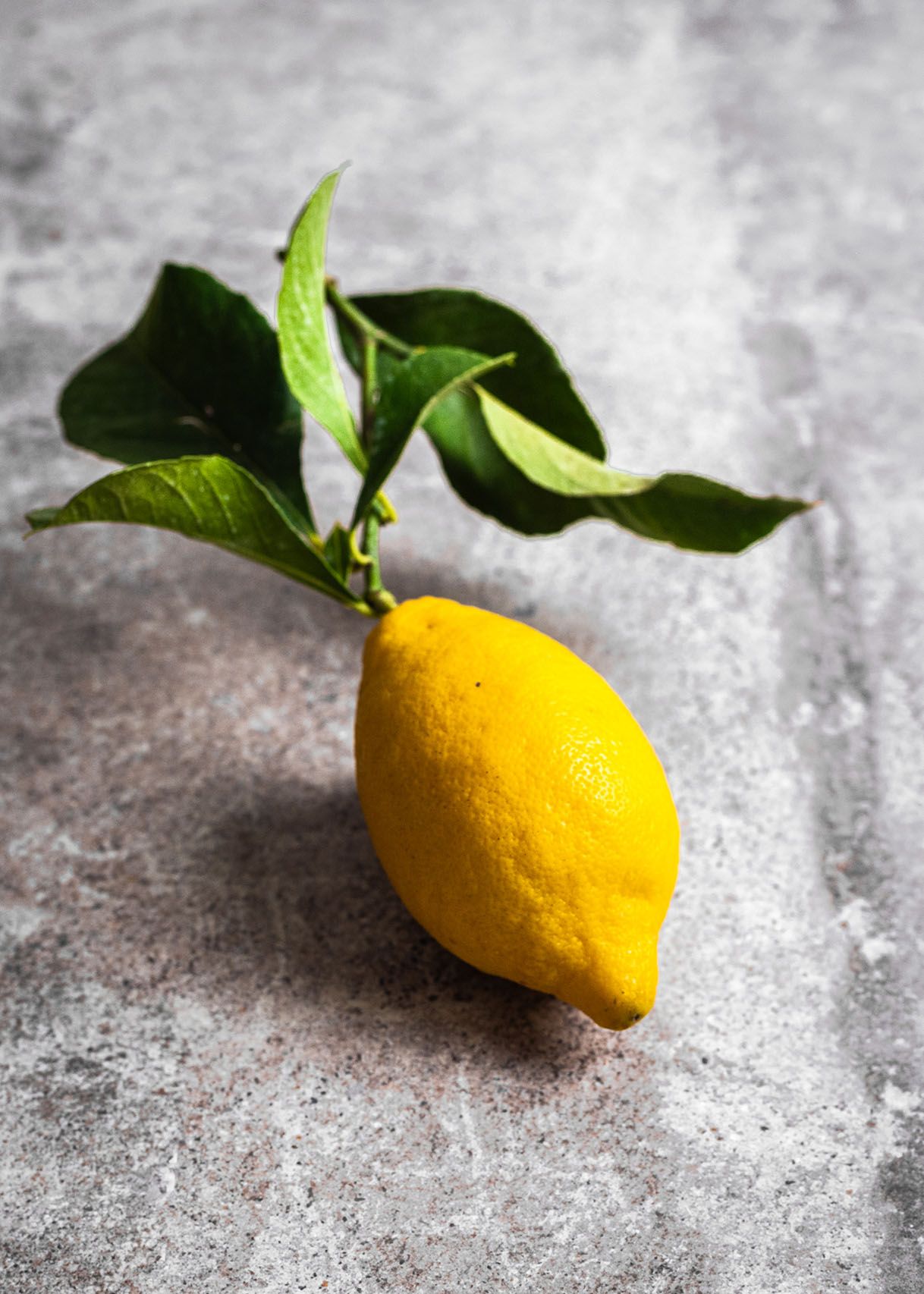
Position your dish off-centre using the rule of thirds. This lemon sits confidently in one portion of the frame, its leaves creating a natural line that draws the eye. The cool marble surface stretches out around it—that emptiness isn't wasted space, it's sophistication. The negative area lets us appreciate the texture of the stone, the subtle variations in the citrus peel.
Let props and surfaces tell part of your story. Here, the wooden table's grain becomes a supporting character, leading into the empty space. The drink anchors one area while the rest of the frame breathes, creating visual pathways that feel natural and unforced.
Consider what the emptiness represents. This granola bowl demonstrates how negative space can evoke mood—perhaps it's that clean countertop suggesting a fresh start to the morning, or soft natural light falling across a simple surface that makes the everyday feel special.