I carry two devices everywhere I shoot. The camera is my main gear.
The phone is my secret weapon.
For a long time, I felt like I had to pick a side. Either you were a "real" photographer with a proper camera, or you were that person filming everything on their phone. After shooting this way for a while, I've completely let go of that idea. They're different tools — and the best results come from knowing which one to reach for.
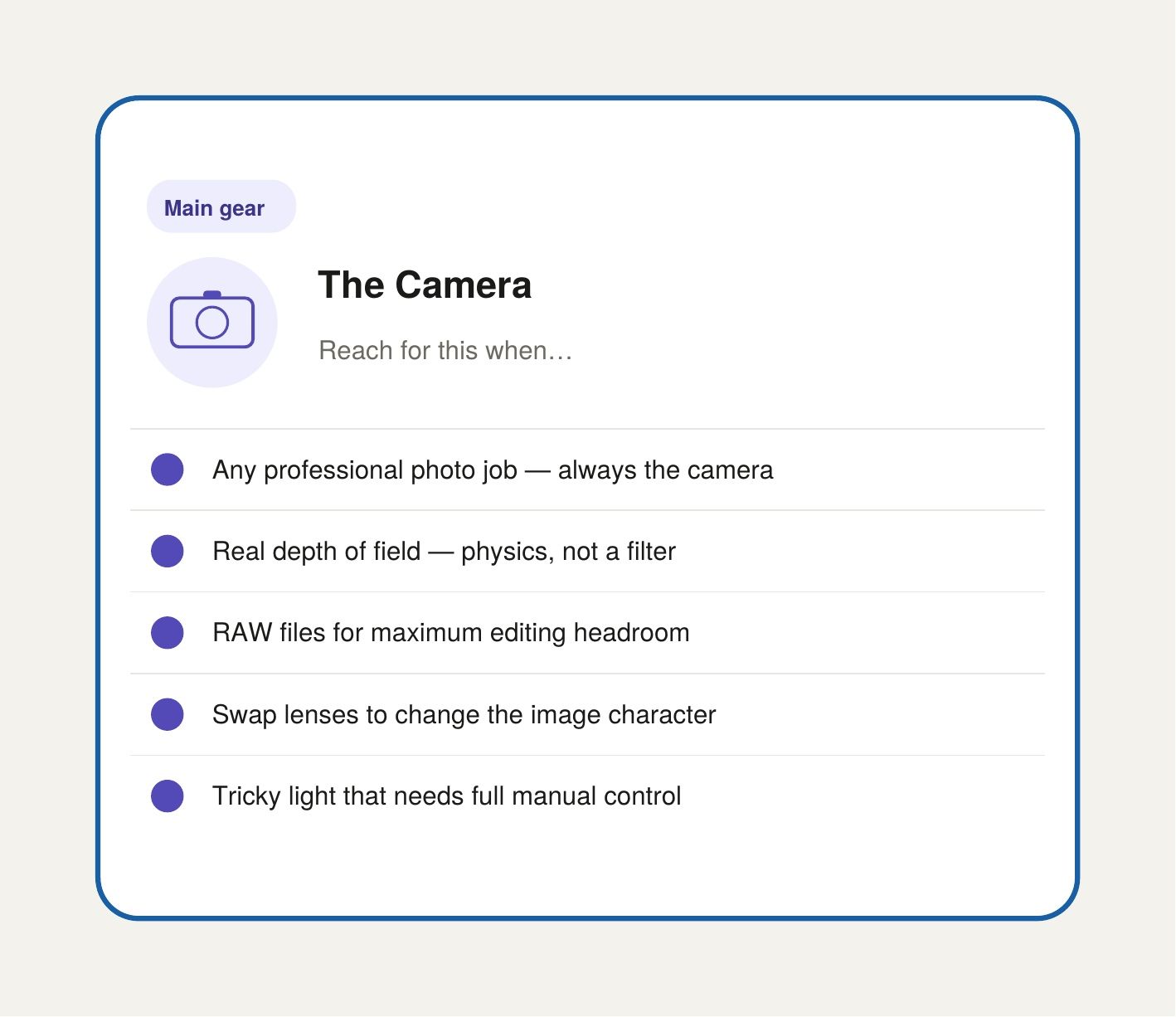
The camera is the foundation of everything I do professionally. Every photo I deliver to a client is shot on a dedicated camera — full stop. It's not a preference, it's a practical decision based on what the work requires: resolution, dynamic range, colour accuracy, and most importantly, the ability to use different lenses for different jobs.
A phone has one sensor. A camera system has a whole kit behind it — and that changes everything about what's possible in a single shoot.
24mm
Interiors and room shots where you need to show the full space - a dining room, a bar,
a kitchen set. Gets the whole scene in without stepping through the wall.
50mm
The workhorse for food and interiors alike. Close to how the eye actually sees a table setting or a room corner. Natural, honest, no drama.
85mm
The best lens for hero food and drink shots. Flattering compression, beautiful background blur, and it keeps you far enough from the plate not to cast a shadow or breathe on the food.
100mm
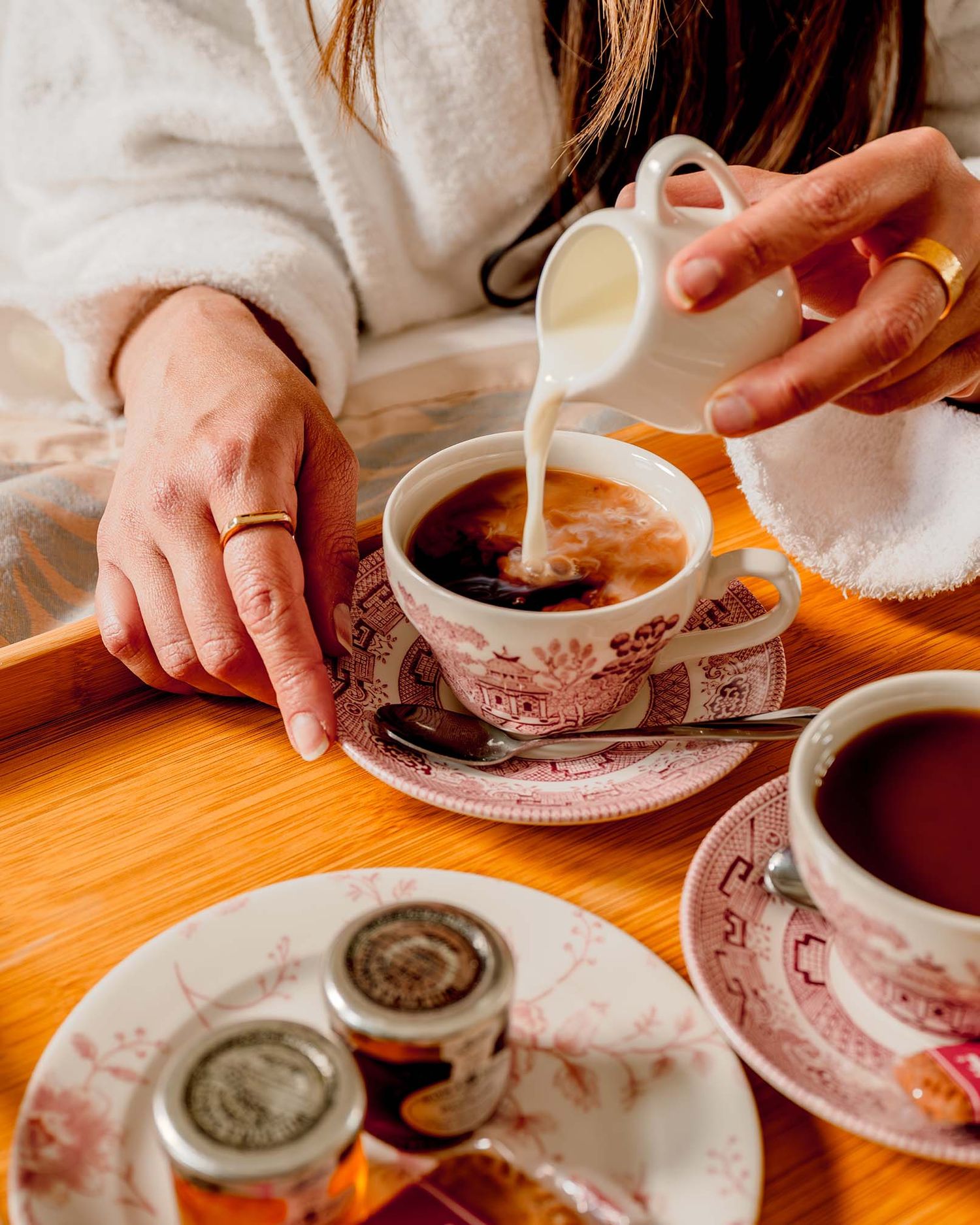
Where food photography really comes alive — the steam rising from a bowl, condensation on a glass, the texture of a crust. Gets closer than your eye ever could.
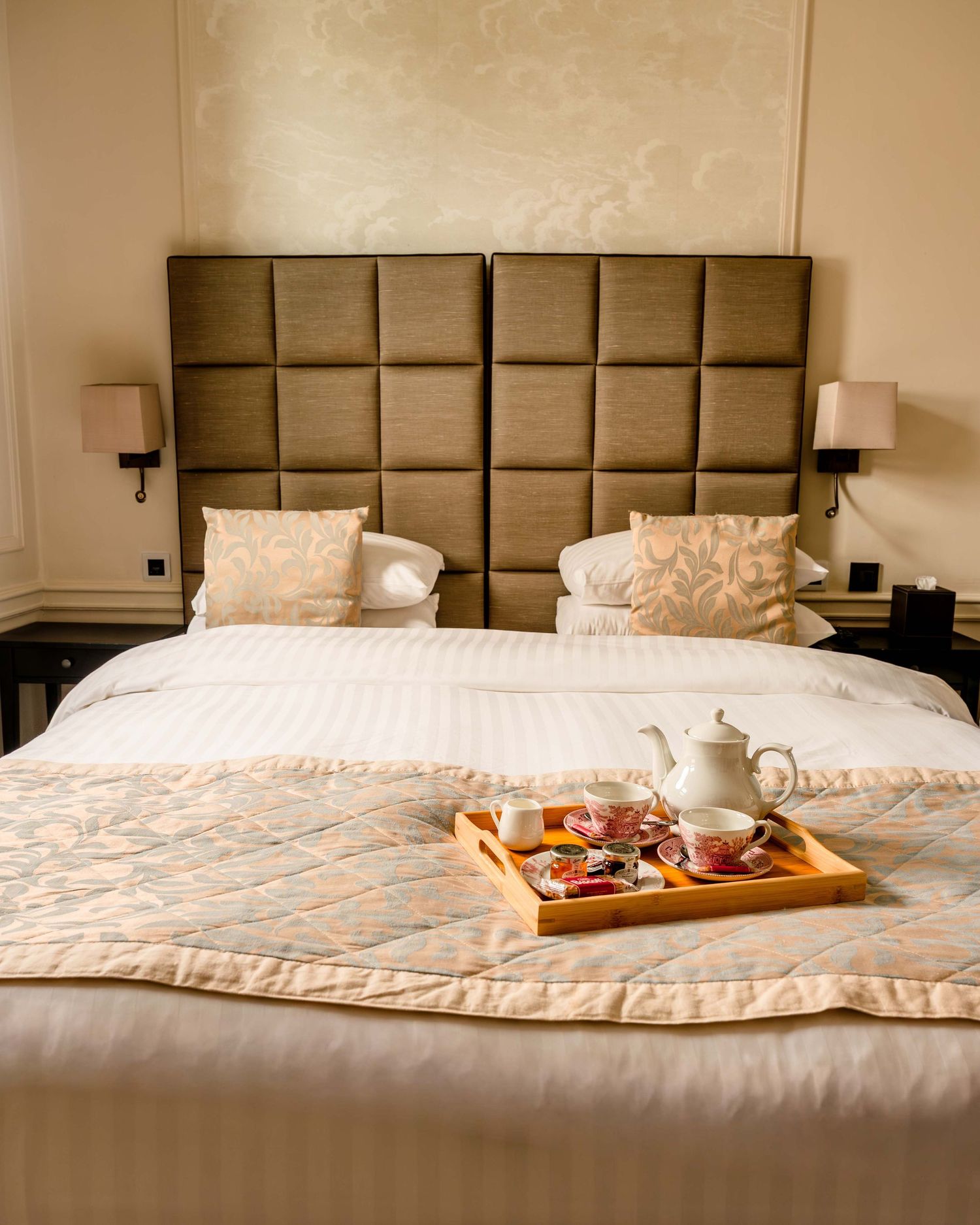
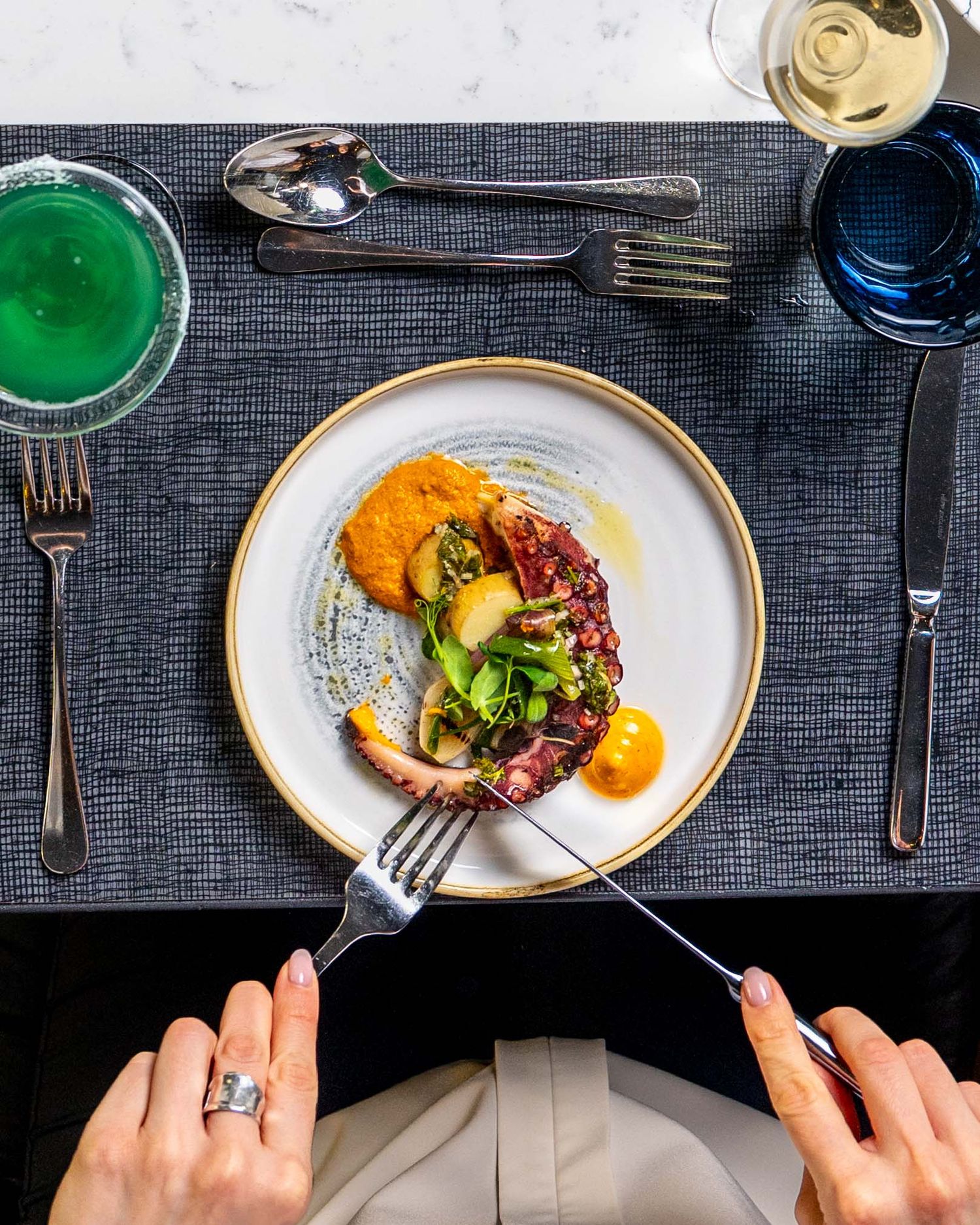
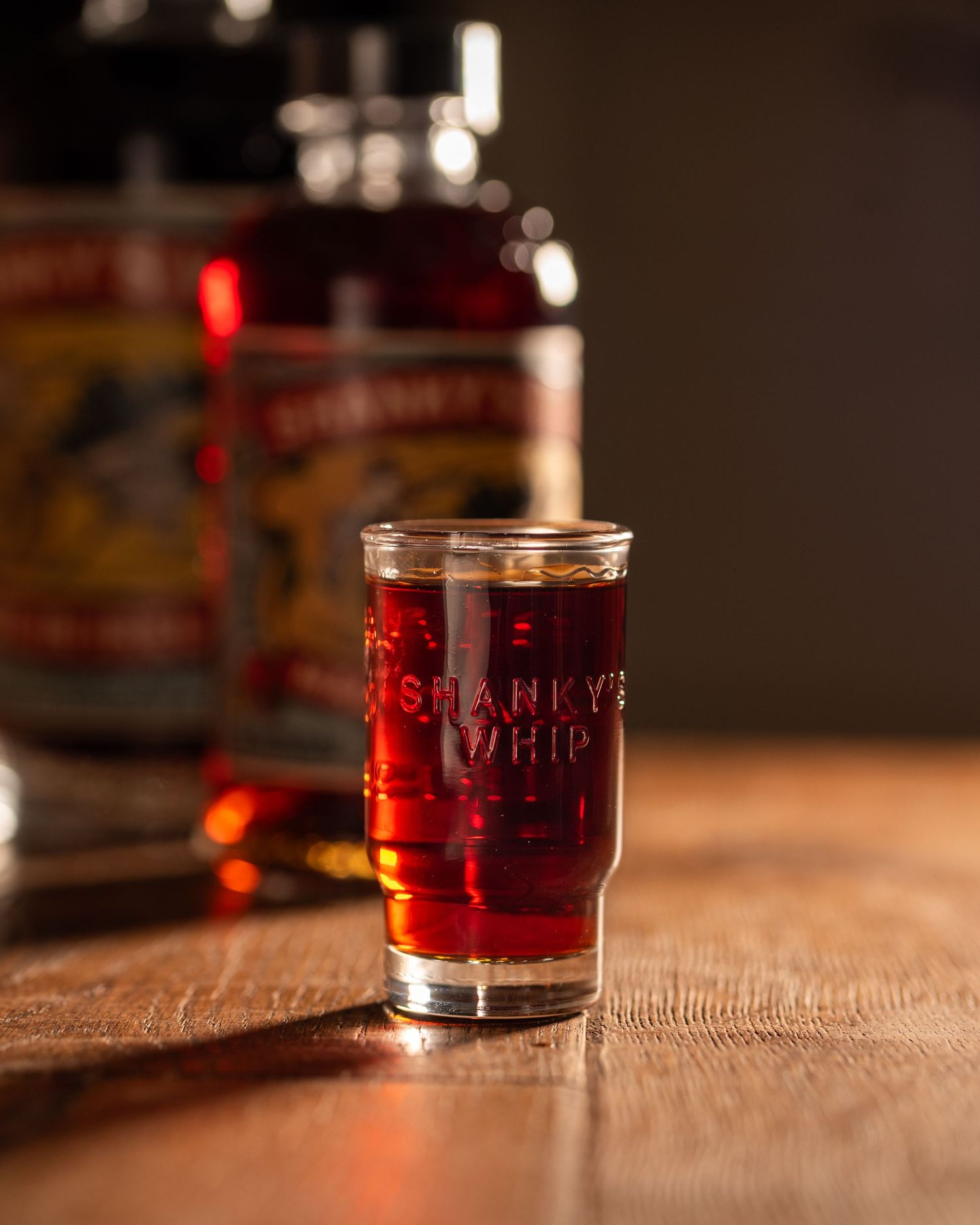
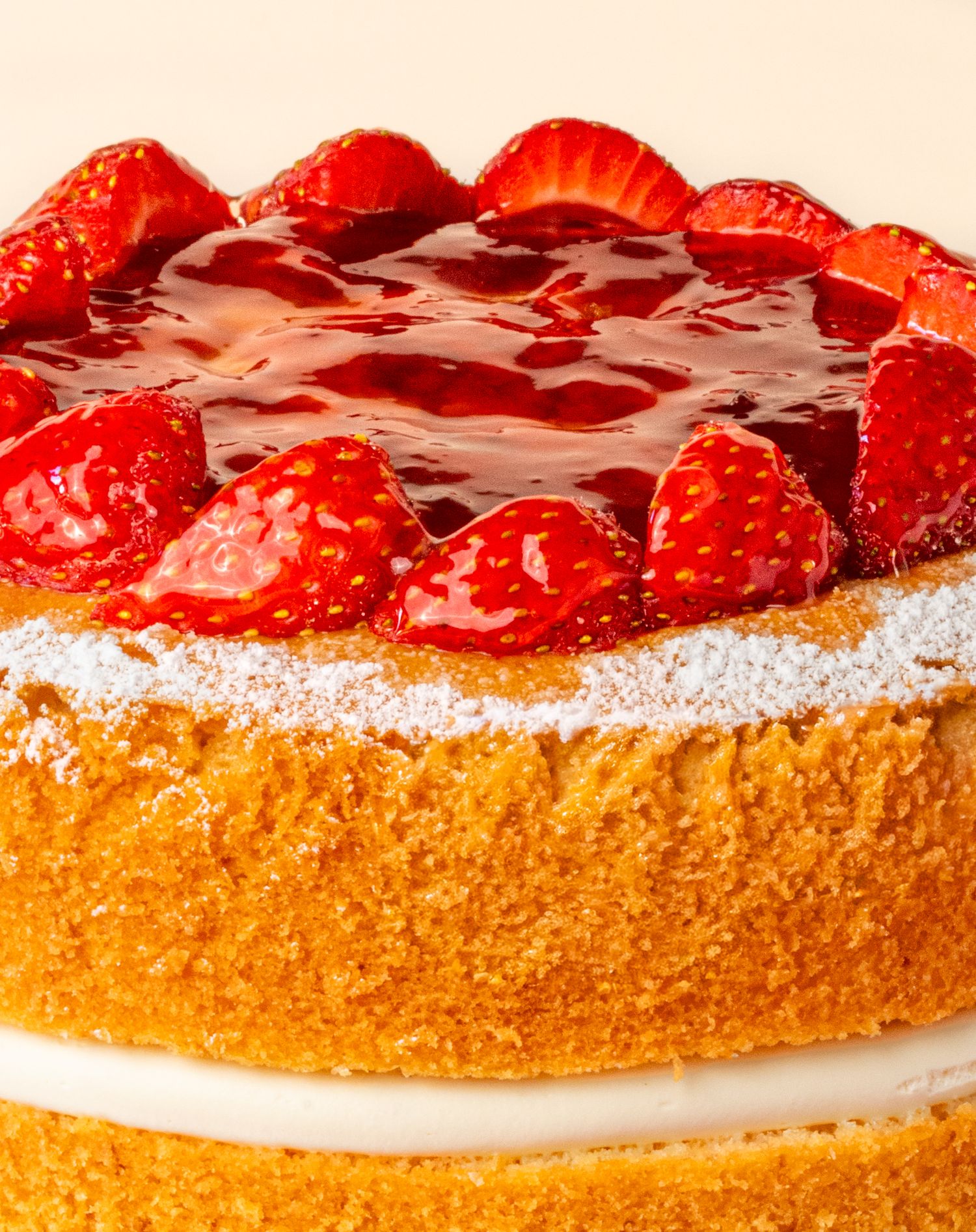
Each lens changes the character of the image — not just how much you can fit in, but how subjects relate to each other, how the background behaves, how close you need to stand. That creative flexibility is something no phone can replicate. You don't choose a lens just for focal length. You choose it for the feeling it creates.
Add RAW files into the mix, and the editing latitude is in a completely different league. You can recover a blown sky, lift shadow detail from a dark interior, nail skin tones in mixed light — things that are impossible to fix cleanly from a phone file.
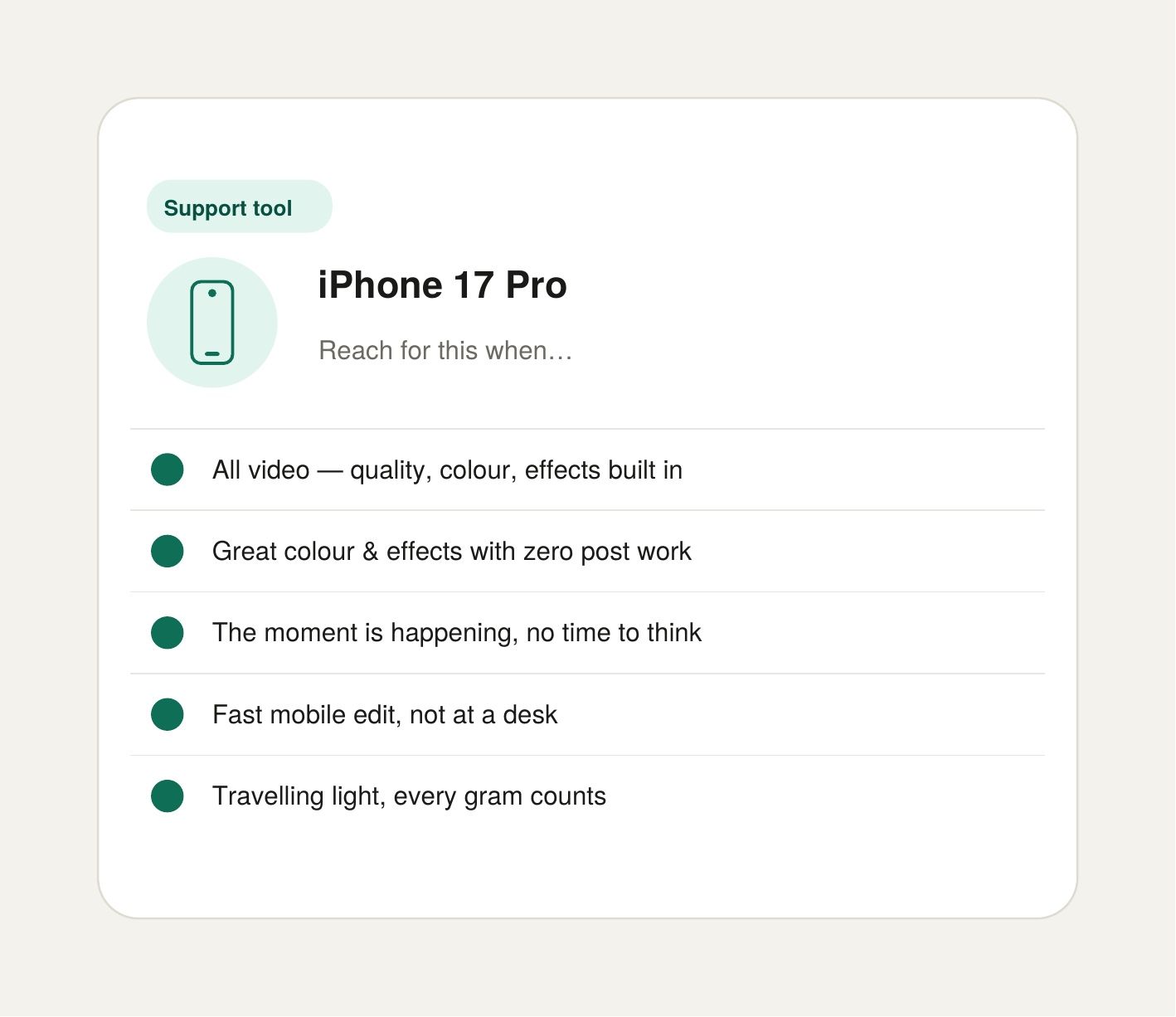
"We're happy for it to be filmed on a phone."
I hear this more often than you'd think. Clients come to me having already decided — they've seen phone footage that looks great, they know the budget, and they're not asking for a camera crew. They just want the job done well.
And I can do that. Here's some of the work I've delivered, shooting entirely on my iPhone:
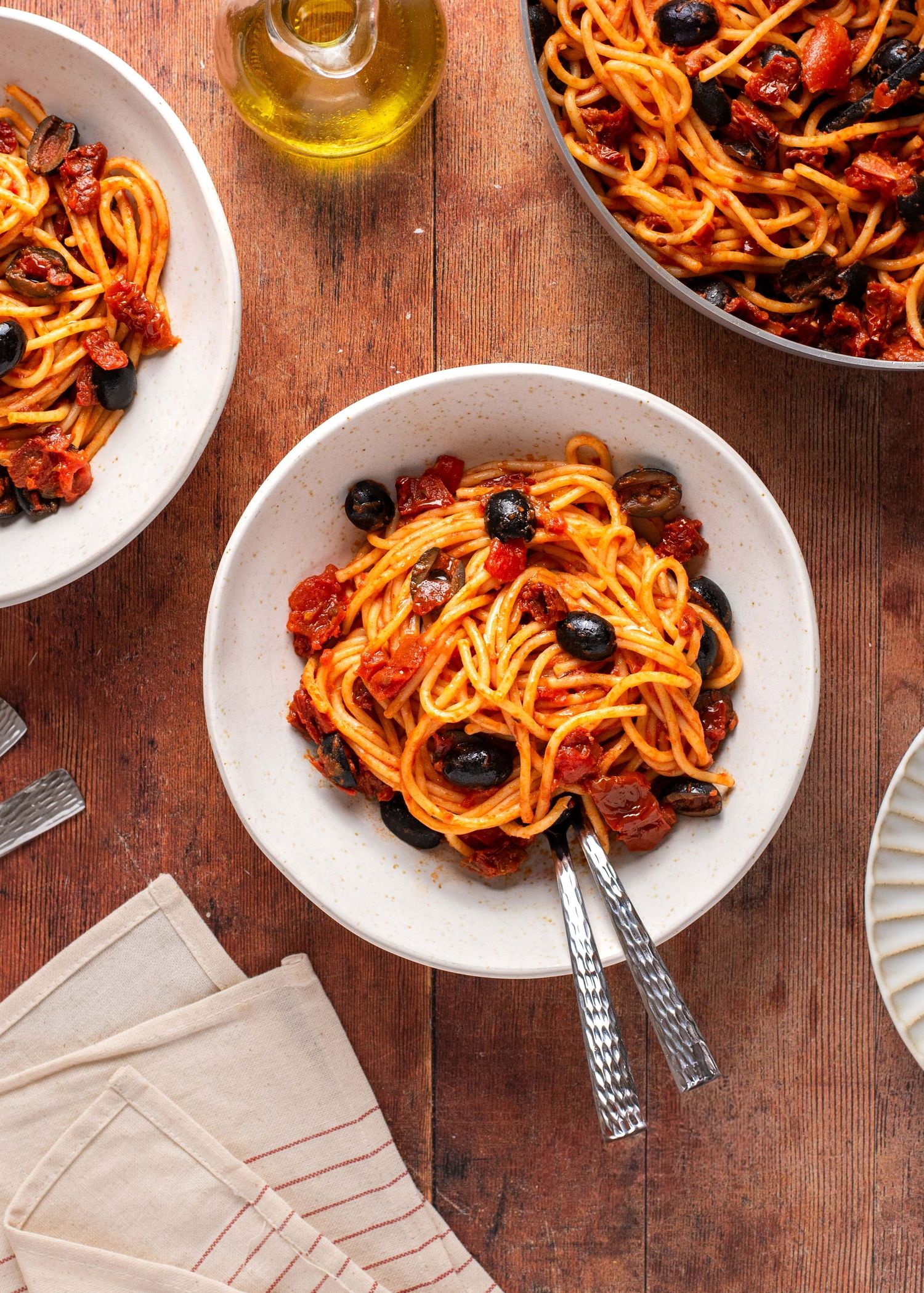
Mediterranean Spaghetti for Cypressa and Garofalo
Watch here
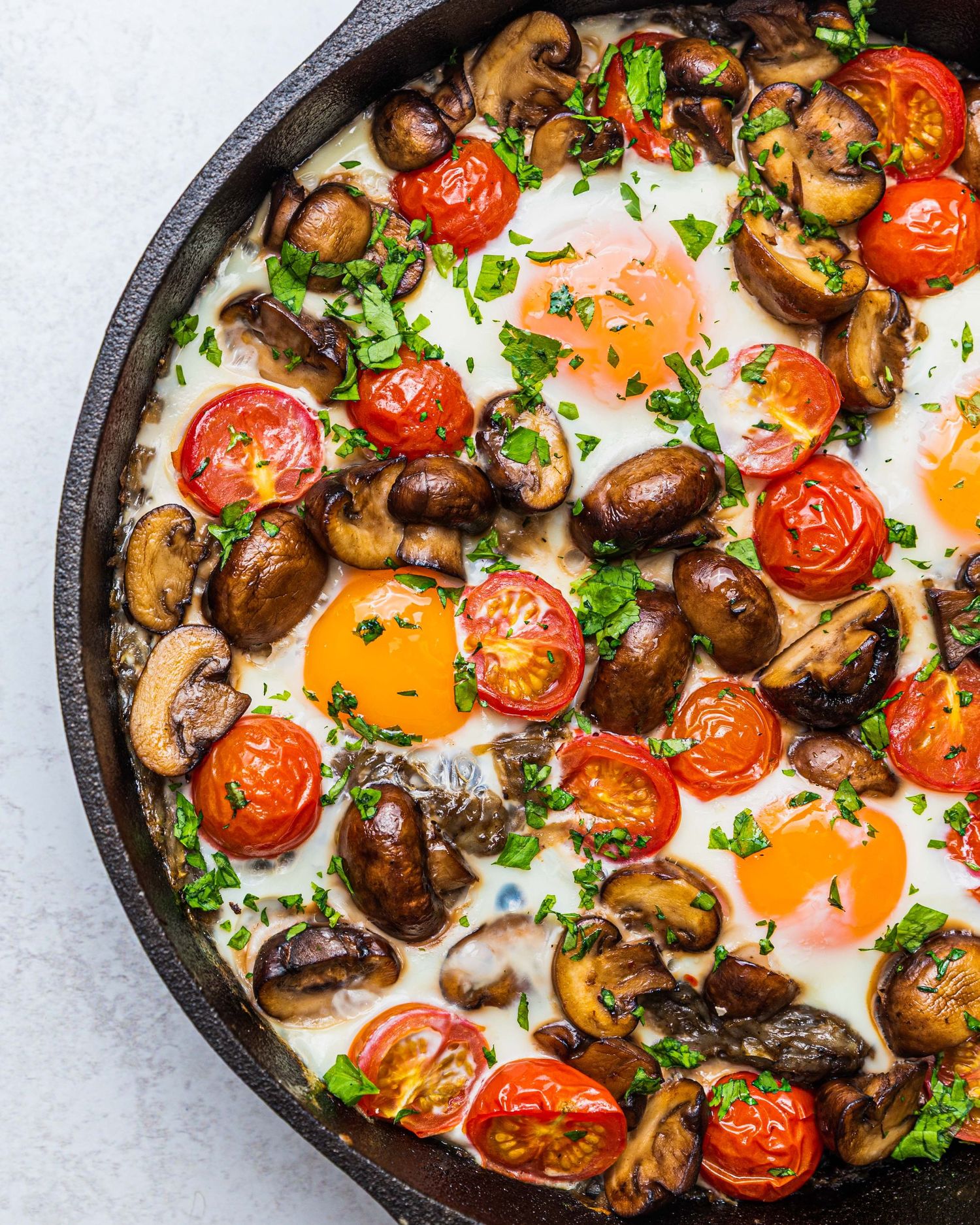
baked eggs for Jersey Royals
watch here

To be clear: I'm not saying the iPhone is better than a camera. Absolutely not. I'm saying it's possible to shoot professionally, deliver real results, and yes - make money - with a phone only. The tool doesn't define the work. The work does.
The real skill in hybrid shooting isn't technical — it's knowing which device to grab without second-guessing yourself. That comes from shooting a lot and being honest about what each tool does best. Once you stop trying to make one device do everything, both of them become more powerful.
So yes, I'll be the person at the table filming a quick clip on my phone, then swapping to a camera with an 85mm for the portrait. No apologies. It works.